
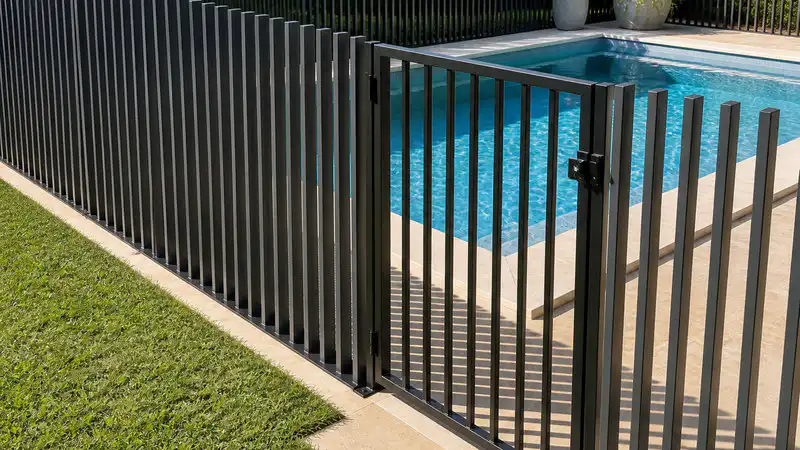
Victorian pool fence regulations exist for one reason: to prevent drownings. This complete guide breaks down every obligation pool owners, builders, and property managers need to know to stay compliant and avoid costly penalties.
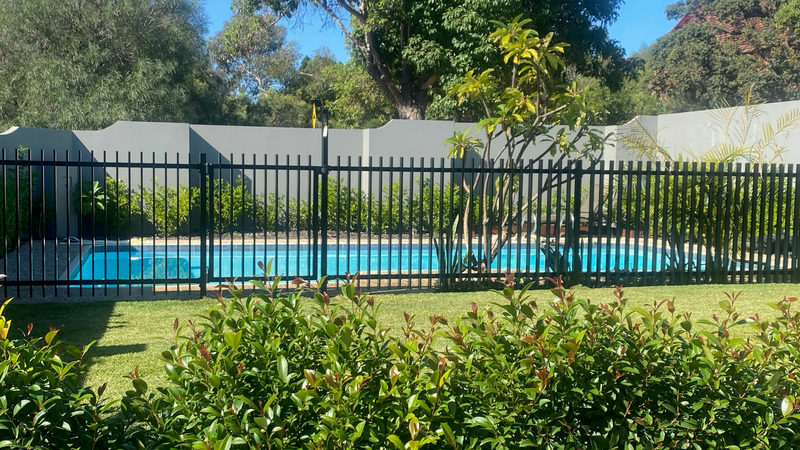
Overview of Pool Fence Regulations in Victoria
All swimming pool and spa installations in Victoria that are capable of holding more than 30 cm (300 mm) of water must have a compliant safety barrier and be registered with the local council. Unsafe pool fences have been linked to child drownings in Victoria, which is why these rules carry real enforcement weight.
Safety requirements and regulations are outlined by the Building Act 1993 and Building Regulations 2018 (Vic), with technical design criteria drawn from Australian Standard AS1926. Different barrier standards apply based on pool construction date.
Key owner duties at a glance:
- Register the pool or spa with your local council
- Maintain a compliant pool fence or pool barrier at all times
- Have pool safety barriers inspected every four years by law
- Lodge a current compliance certificate with council by the due date
These rules apply to in ground, above ground, portable, and some relocatable pools and spas on residential and commercial property across Victoria.
JZH Fence supports builders and commercial clients with compliant metal and glass pool fencing systems but does not act as the certifying inspector or building surveyor.
Who Must Comply: What Counts as a Pool or Spa in Victoria?
The legal definition is broad and matters for barrier compliance. Any pool or spa capable of containing 300 mm or more of water requires a compliant pool barrier in Victoria. Pools holding more than 30 cm of water need a barrier regardless of type.
Covered structures include:
- In ground concrete or fibreglass swimming pool installations
- Above ground pools
- Swim spas and spa pools with jets
- Portable spas and relocatable pools used for three or more consecutive days
- Wading pools meeting the depth threshold
Small paddling pools under 300 mm depth usually do not trigger pool fence regulations, but they can still pose a drowning risk. A relocatable pool erected for three consecutive days must be registered by the fourth day. Councils may treat temporary setups differently depending on installation duration, so spa owners and pool owners should confirm applicable requirements with their local council.
Key Victorian Owner Duties: Registration, Inspection and Certificates
The Victorian Government and local councils share responsibility for enforcing pool fence regulations in Victoria. Pool registration with local councils became mandatory on December 1, 2019, with staged deadlines now complete. Owners must register their pool or spa with their local council.
After registering, council issues a confirmation letter stating the pool construction date category, which applicable barrier standard applies, and the due date for the first compliance certificate.
Four core duties every pool or spa owner must follow:
- Keep the pool or spa registered
- Have the pool barrier inspected regularly – pool barriers must be inspected every four years in Victoria
- Obtain a barrier compliance certificate from a registered building surveyor or registered pool and spa inspector
- Lodge each compliance certificate with council by the due date
Penalties for falling behind are significant. Non-compliance can result in a $330 on-the-spot fine. Penalties for non-compliance can reach up to $1,652.20. Failure to register a pool can lead to fines of $1,800 or more. Non-compliance can also lead to enforcement action from local councils, including orders to restrict access to the pool area until rectification is complete.
Barrier Standards by Construction Date: Which Rules Apply to Your Pool?
Barrier compliance in Victoria depends heavily on when the pool or spa was built or when major alterations were approved. Compliance specifics may vary depending on the pool’s construction date, and councils allocate pools to construction-date groups using building records and owner evidence.
You must use the appropriate barrier standard based on construction date:
| Group | Construction Date | Applicable Standard |
|---|---|---|
| 1 | On or before 30 June 1994 | Part 9A / AS1926-1986 or AS1926.1-1993 |
| 2 | 1 July 1994 – 30 April 2010 | AS1926.1-1993 (with amendments) |
| 3 | 1 May 2010 onwards | AS1926.1-2012 |
The Australian Standard AS1926.1-2012 applies to pools installed after May 1, 2013 under the current framework. Later alterations to a pool barrier, boundary fence, deck, or surrounds may trigger updated standards and may require a building permit from a licensed builder or building surveyor. Owners should download the Victorian Building Authority self-assessment checklists specific to their date range before engaging an inspector.
Core Design Rules for a Compliant Pool Fence in Victoria
Minimum height alone does not guarantee barrier compliance. Here are the key design rules under Victorian law:
Height:
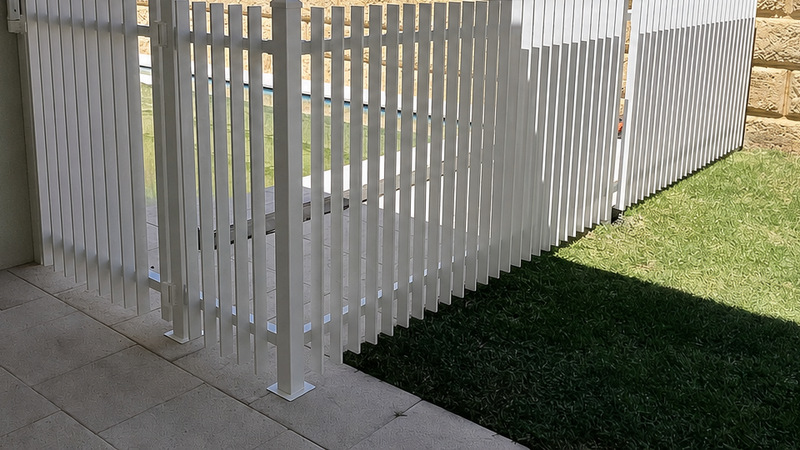
- The safety barrier must be at least 1200 mm high from the outside finished ground level
- If a boundary fence is part of the safety barrier, it must generally be at least 1800 mm high on the pool side
Non-climbable zone:
- A non-climbable zone of 900 mm must be maintained around the outside of the pool fence
- Keep climbable objects like seating, pot plants, barbecues, and trees outside this zone
Gaps and openings:
- Vertical gaps between fence members must generally stay under 100 mm
- The gap between the bottom of the fence and the ground must not exceed 100 mm
- Gaps and openings in the fence must meet the applicable standards to prevent child access
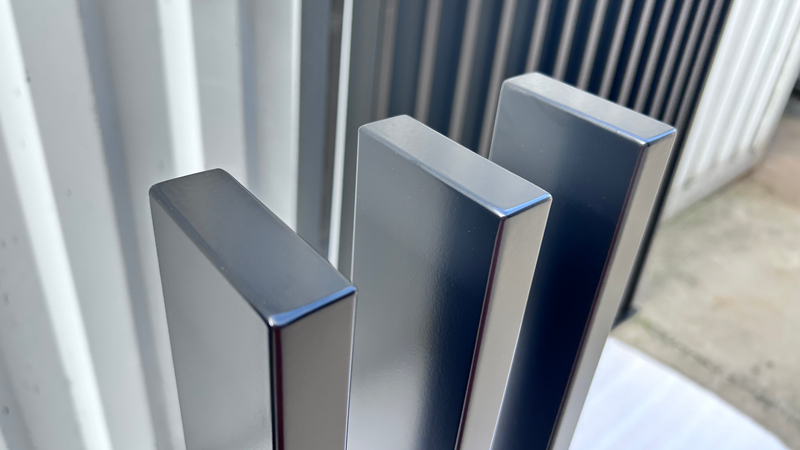
Gates and latches:
- Gates must self-close and self-latch from any position and should open outward from the pool area
- Self latching gates must have the latch release at least 1500 mm above finished ground level
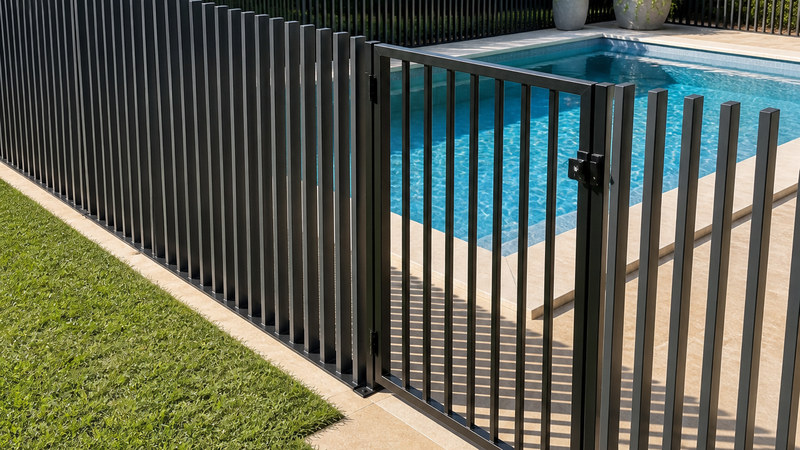
Glass pool fencing systems must meet strength, fixing, and panel-spacing criteria tested to relevant standards. Retaining walls, planter boxes, and outbuildings near the fence can create climbable zones and must be considered in any design or rectification plan to improve safety and ensure compliance.
Boundary Fences, Metalwork and Electrical Safety (Equipotential Bonding)
A boundary fence can form part of the pool barrier if it meets strict criteria: at least 1800 mm high from the pool side, a 900 mm non-climbable zone on the pool side, and no gates or doors opening directly from a dwelling into the pool area unless compliant with the applicable barrier standard.
Metal pool fence posts, steel balustrades, aluminium barriers, and glass pool fencing spigots within reach of the water’s edge may require equipotential bonding under the Wiring Rules (AS/NZS 3000). Equipotential bonding equalises voltage to reduce electric-shock risk around water. Only a licensed electrician can assess, design, and install equipotential bonding and issue the necessary electrical work documentation.
Plan all electrical aspects before pouring concrete or fixing metalwork, so the pool fence installer, licensed builder, and electrician can coordinate footing details and bonding connections. JZH Fence supplies metal and glass pool barrier components suitable for equipotential bonding but does not perform electrical work.
Registration, Inspection and Compliance Certificate Process
The life cycle is straightforward: register, assess, inspect, lodge, and repeat every four years.
Step 1 – Register: Contact your local council or use online forms. Provide owner details, property address, type of pool and spa, and estimated construction date. Pools must be registered with local council since December 2019.
Step 2 – Self-assessment: Download the correct VBA checklist for your construction date. Check fence height, gate operation, gaps, and climbable objects before calling an inspector.
Step 3 – Formal inspection: Only a registered building surveyor or registered pool and spa inspector can assess barrier compliance and issue an inspection report. They test gate operation, measure dimensions, photograph the space, and produce a written report.
Step 4 – Lodge the certificate: Submit the compliance certificate within 30 days of inspection. Compliance certificates must be lodged within 30 days of issue. Councils charge lodgement fees and may send enforcement notices if deadlines pass.
Step 5 – Repeat: Under current Victorian rules, most pools and spas must have the barrier re-inspected every four years. Diarise the due date and budget for any rectification to pass inspection.
Working With Professionals: Builders, Fence Installers and Inspectors
A safe, legal pool barrier is a collaborative effort. A licensed builder or registered building practitioner is required for most structural pool and spa installations and for building work involving a new pool fence or altering an existing barrier where a building permit is needed.
A specialist pool fence installer measures and designs the fence layout, confirms heights and gate hardware meet Victorian fence regulations, and coordinates with landscapers to avoid conflicts with paving, retaining walls, and drainage. Involve a pool fence installer early in the project to prevent costly rework.
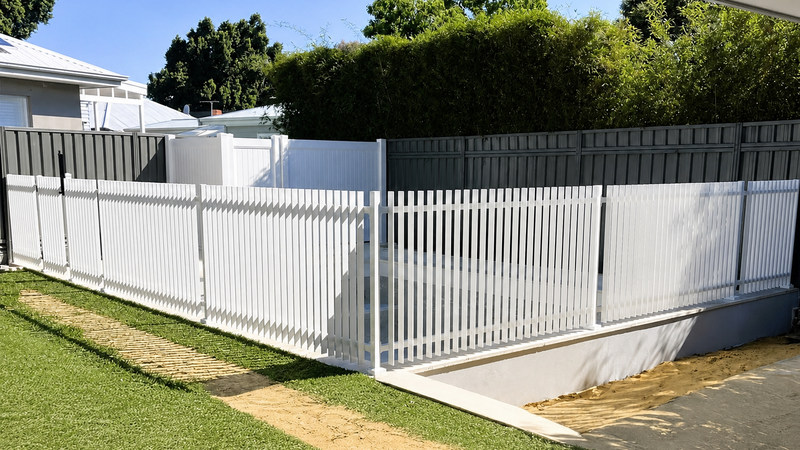
Inspectors and building surveyors check the finished installed barrier independently and issue the compliance certificate. Installers and manufacturers – including JZH Fence – do not issue barrier compliance certificates and cannot override an inspector’s decision.
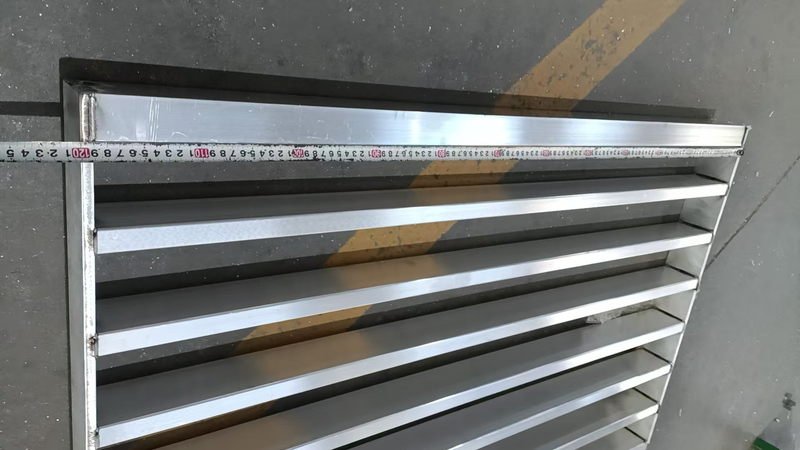
JZH Fence supports compliance by supplying compliant steel, aluminium, and glass pool barrier products, offering OEM/ODM and custom pool fence solutions for builders and commercial property managers, and providing installation guidance and technical data to help professionals meet barrier compliance requirements.
Practical Tips to Stay Compliant and Maintain Your Pool Barrier
Ongoing maintenance has a significant impact on whether your barrier will pass its next inspection. Perform these simple checks monthly:
- Confirm gates self-close and self-latch from any open position
- Check that latches, hinges, screws, and bolts are tight and not corroded
- Ensure no new climbable objects (furniture, barbecues, toy boxes, trees, or planter boxes) have appeared near the swimming pool fence
For the boundary fence section forming part of the pool barrier, look for ground movement, rot, rust, or damaged palings. Confirm that the minimum height and non-climbable zones have not been compromised.
Schedule a pre-inspection review with a pool fence installer or licensed builder before the formal four-yearly inspection, particularly where landscaping or renovations have changed the backyard space around the pool. For commercial sites, strata complexes, and hospitality venues, a documented maintenance schedule and periodic professional audits are recommended to manage legal risk and prevent drownings.
Staying compliant protects lives, protects your property investment, and keeps you on the right side of Victorian law. Whether you are a builder specifying a new pool barrier, a property manager maintaining an existing fence, or a wholesaler sourcing compliant systems, contact JZH Fence for pool fence and pool barrier products in steel, aluminium, and glass engineered to meet Victorian regulations.