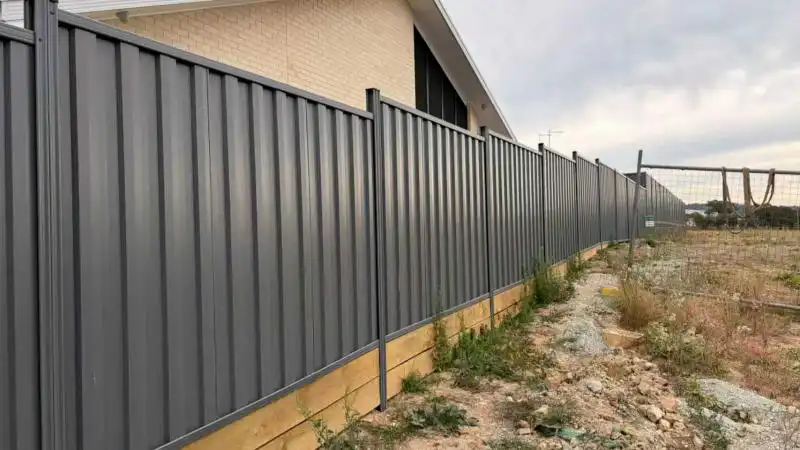
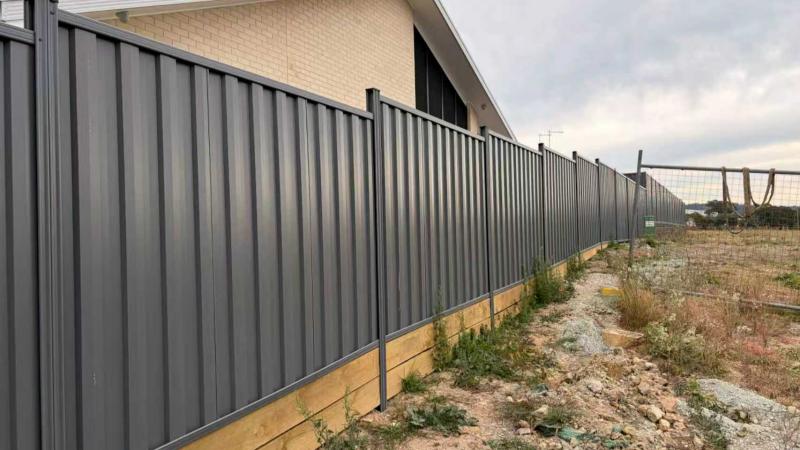
If you are comparing colorbond fencing for a residential estate, commercial boundary, or wholesale fencing project, the first question is usually cost. But the real value of a fence is not decided by price per meter alone. Material quality, coating, anti-corrosion protection, site slope, and installation method can all affect long-term performance. In this guide, you will learn about colorbond fence price, installation steps, slope solutions, maintenance, and how JZH Fence supports builders, contractors, wholesalers, and project buyers with durable Colorbond-style steel fence systems.
COLORBOND® is a registered trademark of BlueScope Steel Limited. JZH Fence supplies Colorbond-style steel fencing systems and is not affiliated with or endorsed by BlueScope Steel Limited.
What Is a Colorbond Fence?
A Colorbond fence is a steel privacy fencing system made from pre-painted, corrosion-resistant steel panels, posts, rails, caps, and accessories. It is widely used in Australia because it gives strong privacy, a clean appearance, and lower maintenance compared with timber fencing.
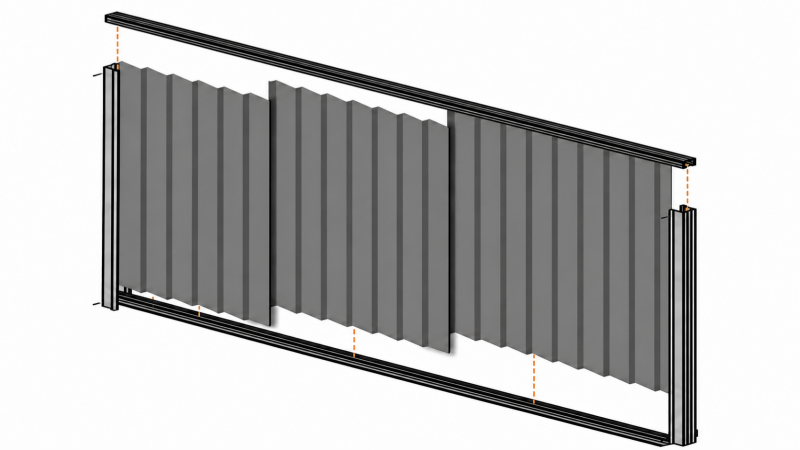
A typical colorbond fence system includes: Steel infill sheets, Fence posts, Top and bottom rails, Screws or fixing clips, Post caps and capping, Optional gates, plinths, or sleepers.
The solid panel design helps block visibility and creates a neat boundary line. That makes colorbond fencing popular for side boundaries, rear yards, housing developments, commercial properties, schools, warehouses, farms, and industrial projects.
For B2B buyers, the most important point is this: you are not only buying fence panels. You are buying a full fence system. The right system should match the project height, wind exposure, coating requirement, installation method, and local site condition.
JZH Fence supplies Colorbond-style steel fencing systems for wholesalers, contractors, builders, and project buyers. We can support custom heights, colors, panel profiles, posts, gates, accessories, and project-specific packing for bulk orders.
Colorbond Fence Cost in 2026
Colorbond fence cost depends on many factors, including fence height, total length, site condition, labor cost, gate quantity, coating requirement, and whether retaining plinths are needed.
As a general guide, colorbond fence cost per meter can vary widely between supply-only and installed projects. A simple straight fence line on flat ground is usually much easier to price than a long commercial boundary with slopes, gates, old fence removal, or difficult access.
For example, a standard 1.8m high colorbond fence will usually cost less than a 2.1m or 2.4m high fence because taller fences need more steel, stronger posts, deeper footings, and sometimes additional structural support.
Common cost factors include:
- Fence height
- Total fence line length
- Panel profile
- Steel thickness and grade
- Coating type
- Anti-corrosion layer
- Gate quantity and gate width
- Site access
- Slope and ground condition
- Old fence removal
- Installation labor
- Packing and freight for bulk orders
For contractors and wholesalers, the goal should not be to find the lowest unit price. The better question is: which fence specification gives the best long-term value for this project?
A cheaper panel may reduce the initial purchase cost, but if it causes more customer complaints, rust problems, deformation, or maintenance issues later, the total cost can become much higher.
Factors That Influence Colorbond Fencing Cost
Two colorbond fence projects with the same height and same total length can receive very different quotations. This is normal because fence cost is affected by both product specification and site condition.
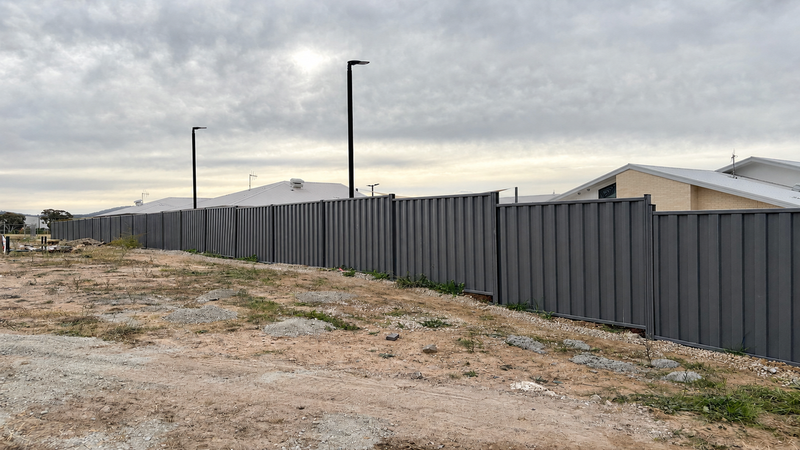
1. Fence Height
The most common height for privacy fencing is around 1.8m. Front boundaries may use lower heights such as 1.2m or 1.5m, while commercial, industrial, or high-privacy projects may require 2.1m or 2.4m fencing.
Higher fences usually cost more because they need: More panel material, Stronger posts, Deeper post holes, More stable footing design, More labor during installation.
2. Panel Profile and Design
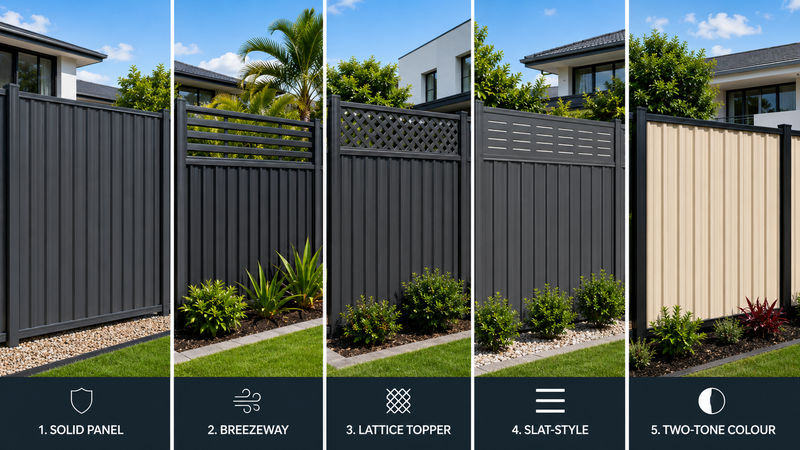
Standard solid panels are usually more economical. Decorative options such as lattice tops, slat-style tops, two-tone colors, or custom profiles may increase material and production cost.
However, design upgrades can add value in residential estates, commercial frontages, and projects where appearance is important.
3. Site Preparation
Site preparation can affect the final fence replacement cost. If the old fence needs to be removed, vegetation needs to be cleared, or the ground is uneven, installation will take longer.
Difficult site conditions include: Rocky soil, Narrow side access, Existing concrete or paving, Old timber or metal fence removal, Tree roots, Large slope changes, Poor drainage.
Before quoting a commercial or bulk fencing project, it is better to confirm these site details early. This helps reduce later price changes and installation delays.
4. Gates and Accessories
Pedestrian gates, double gates, vehicle gates, heavier posts, special locks, and custom brackets will increase the total project cost. For B2B buyers, it is important to count gate quantity and gate width before confirming the final bill of materials.
5. Material Specification
This is where many buyers make mistakes. They compare only panel size and unit price, but do not check coating, steel grade, or anti-corrosion protection.
A colorbond-style fence may look similar from a distance, but the long-term performance can be very different.
JZH Project Experience: Why Material Specification Matters More Than Unit Price
For Colorbond-style fence projects, we do not recommend buyers compare products only by panel size or unit price. A lower-priced panel may look similar at first, but long-term performance depends on coating quality, steel grade, and anti-corrosion protection.
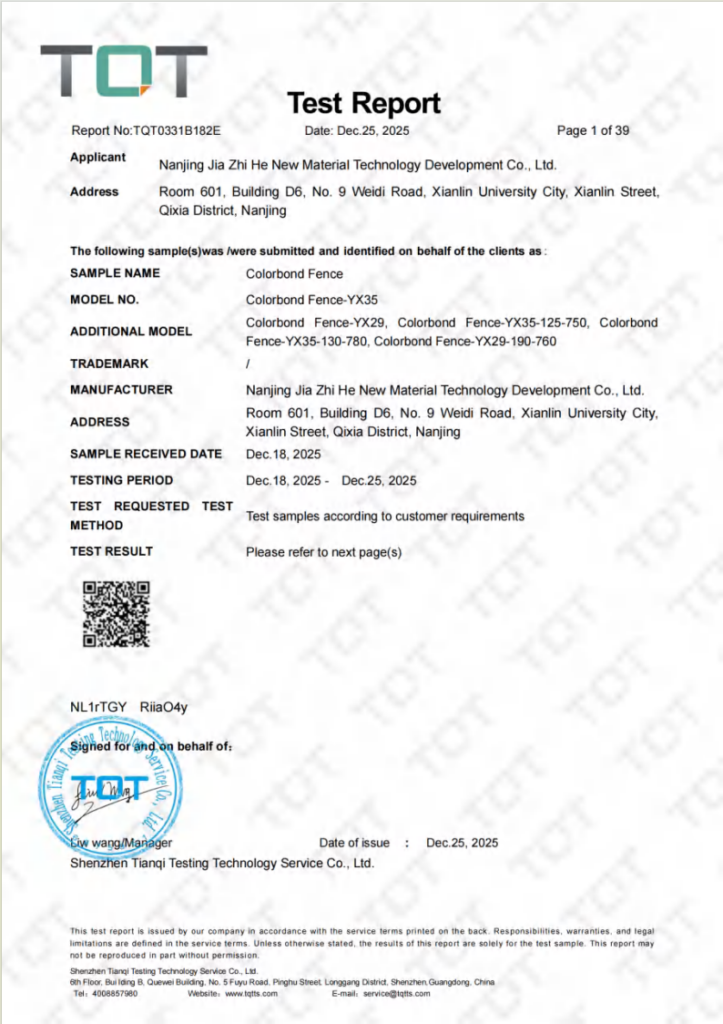
Our test report helps verify these key factors: HDP coating supports better outdoor weather resistance and helps reduce fading, chalking, and surface ageing; G550 steel improves panel rigidity and strength, helping the fence stay flatter and more stable during transport, installation, and long-term use; and AM100 coating helps reduce rust risk in humid or coastal environments.
For contractors, these specifications can reduce installation complaints, panel deformation issues, and later maintenance work. For wholesalers and distributors, a more durable fence system means fewer customer claims, stronger product confidence, and easier repeat sales.
For project buyers, the value is not only a longer service life. It also means lower lifecycle cost, better appearance retention, and more reliable performance in demanding outdoor conditions.
This is especially important for: Coastal properties, Commercial boundaries, Housing developments, Farm projects, Industrial sites, Long fence lines, High UV or high rainfall areas, Projects where maintenance access is limited.
In short, the best colorbond fence price is not always the lowest price per meter. It is the price that gives the best balance between upfront cost, service life, appearance, and maintenance risk.
Planning Your Colorbond Fence Project
Good planning should happen before you order materials or begin installing colorbond fence panels. This is especially important for shared boundaries, commercial sites, sloped ground, or long fence lines.
Before placing an order, confirm these details:
| Column 1 | Column 2 |
|---|---|
| Total fence line length | Required fence height |
| Panel color and profile | Number of gates |
| Gate widths and opening direction | Site slope |
| Ground condition | Whether the fence line is on soil, grass, concrete, paving, or asphalt |
| Whether old fence removal is required | Whether plinths or sleepers are needed |
| Whether the site is coastal, humid, or high-corrosion | Whether special coating or AM100 protection is required |
For B2B projects, drawings and site photos are very useful. They help the supplier prepare a more accurate bill of materials and reduce the risk of missing components.
If your project is on a slope, you should also confirm the approximate slope angle and bottom gap before production. These details affect whether the fence should use stepped installation, raked installation, or plinth-supported installation.
Tools and Materials Needed to Install a Colorbond Fence
If you are learning how to install a colorbond fence, you need to understand both the materials and the installation tools.
Typical materials include:
- Colorbond-style steel fence panels
- Posts
- Top rails
- Bottom rails
- Screws or clips
- Post caps
- Capping
- Concrete for footings
- Optional plinths or sleepers
- Gates and gate hardware
Common tools include:
- Tape measure
- String line
- Marker paint or pegs
- Post hole digger or auger
- Spirit level
- Drill or driver
- Tin snips or angle grinder
- ShovelWheelbarrow
- Concrete mixer
- Gloves and eye protection
For large commercial projects, installation teams may also need lifting equipment, layout drawings, cutting tools, and site-specific safety equipment.
JZH Fence can provide complete fence kits with panels, posts, rails, fasteners, and accessories packed for easier handling. For contractors and wholesalers, we can also support labeled packing and installation drawings to reduce confusion on site.
Step-by-Step Guide: How to Install a Colorbond Fence
The following steps explain the general process for installing colorbond fence panels on a straight and relatively level site. Local installers should always follow local rules, engineering requirements, and site safety standards.
Step 1: Confirm the Fence Line
Start by confirming the boundary line. Use survey information, boundary pegs, and a string line to mark the fence location.
Do not guess the boundary line. A small mistake can create disputes with neighbors or project owners.
Step 2: Clear the Site
Remove old fence materials, vegetation, rocks, and debris. If the fence replacement cost includes removing an old timber or metal fence, this should be confirmed before installation begins.
Also check whether the ground is soil, concrete, paving, or asphalt. This affects how posts will be fixed.
Step 3: Mark Post Positions
Mark the post positions according to the panel width and installation layout. Standard panel spacing is often around 2.4m, but actual spacing should follow the fence system design.
Make sure corner posts, end posts, and gate posts are clearly marked.
Step 4: Dig Post Holes
Post holes should be deep and wide enough to provide stable support. The required depth depends on fence height, soil type, wind exposure, and local installation practice.
Soft soil, strong wind areas, or taller fences may need deeper footings.
Step 5: Set the Posts
Place posts into the holes and check that they are plumb. Use a spirit level and string line to keep the posts aligned.
Fill the holes with concrete and allow enough curing time before loading the posts with panels.
Step 6: Install Bottom Rails
Install the bottom rails at a consistent height. This helps control the finished fence line and keeps panels properly supported.
If the ground is uneven, you may need to adjust the rail height or use plinths to close the bottom gap.
Step 7: Fit the Panels
Slide or fix the fence panels into position according to the system design. Check that each panel sits correctly and does not twist.
Avoid forcing panels into badly aligned posts. Poor alignment can cause deformation and installation problems.
Step 8: Install Top Rails and Capping
After the panels are installed, fit the top rails and capping. This improves appearance, protects the top edge, and helps keep the system aligned.
Step 9: Install Gates and Accessories
Install pedestrian gates, double gates, locks, hinges, and latches. Gate posts should be strong enough to support the load and repeated operation.
Step 10: Final Inspection
Check the full fence line for alignment, panel fit, sharp edges, loose fasteners, and drainage around posts.
For commercial projects, final inspection should also check whether the installation matches the project drawings and specification.
Installing Colorbond Fence on Slopes and Uneven Ground
Sloped ground is one of the most common reasons why a colorbond fence project becomes more difficult. A flat site can often use standard panels and a simple installation layout. A sloped site requires a more careful choice between stepped installation, raked installation, and plinth-supported installation.
What Is Stepped Installation?
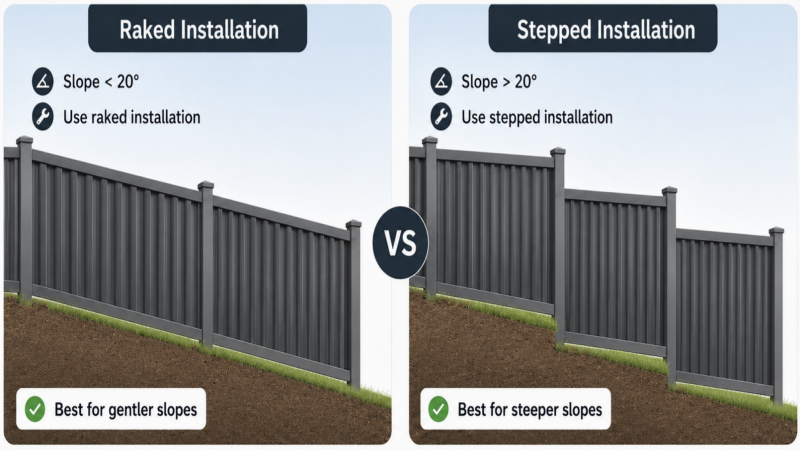
Stepped installation means each fence panel stays horizontal, but the panels move up or down in a stair-step pattern.
This method is practical when the slope is steep or the ground level changes quickly. It is easier to control during installation because each panel remains level.
What Is Raked Installation?
Raked installation means the fence follows the slope more smoothly. The top line appears more continuous, and the fence looks more natural on gentle slopes.
This method usually requires more accurate measurement. It may also need custom panel adjustment or more skilled installation.
When Are Plinths or Sleepers Needed?
Plinths or sleepers are used at the bottom of the fence when there is a large gap, a ground level difference, or a need to hold back soil.
They are especially useful when:
- The bottom gap is too large
- The ground level changes clearly
- Soil needs to be retained
- The project requires a more finished appearance
- The customer wants a cleaner bottom line
- Small animals or debris may pass under the fence
JZH Project Experience: Choosing Stepped, Raked or Plinth Solutions
For Colorbond-style fence projects on sloped or uneven ground, we usually choose the installation method based on the slope angle, bottom gap, and whether soil needs to be retained.
As a practical rule, if the slope is less than 20 degrees, raked installation is often preferred because the fence can follow the ground line more smoothly and keep a cleaner continuous appearance. If the slope is greater than 20 degrees, stepped installation is usually more practical because each panel can remain level, making installation easier to control on site.
Plinths or sleepers should be considered when the bottom gap is too large, the ground level changes obviously, or the fence needs to hold back soil.
For projects with visible level differences but a limited budget, we often recommend fiberglass plinths instead of concrete retaining walls. Fiberglass plinths can help fill the bottom gap, provide a certain retaining function, reduce material and labor cost compared with concrete, and are lighter and easier to install.
Unlike timber sleepers, fiberglass plinths are also less likely to rot in long-term outdoor use.
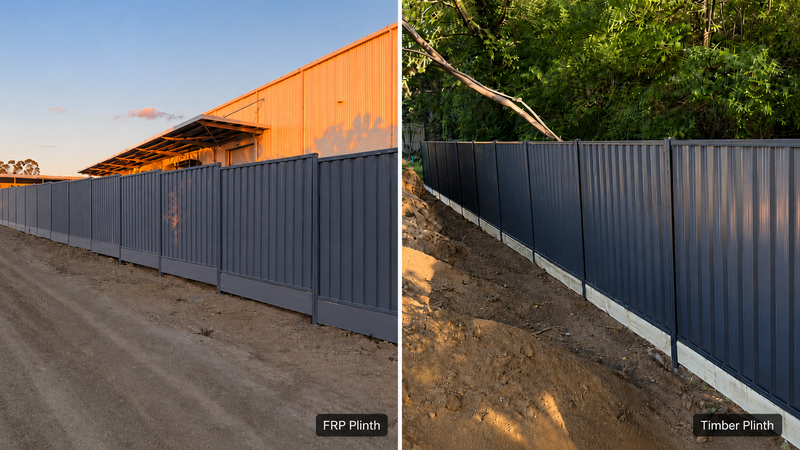
For commercial projects, choosing the wrong slope solution can slow down installation, increase labor cost, and create extra adjustment work on site. That is why we recommend confirming slope conditions before production, especially for long fence lines, housing developments, industrial boundaries, and sites with uneven ground.
Colorbond Fence Design Options: Heights, Colors and Add-Ons
Colorbond fencing offers many design options. The right choice depends on privacy, airflow, appearance, budget, installation efficiency, and local project requirements.
Common Heights
Common height choices include:
- 1.2m to 1.5m for front boundaries or low screening
- 1.8m for standard privacy fencing
- 2.1m to 2.4m for higher privacy, acoustic screening, or commercial use
Taller fences may need stronger posts and deeper footing design. In some areas, local approval may also be required.
Common Colors
Popular color choices usually include neutral and modern tones such as grey, black, cream, white, and earth-tone finishes. For wholesalers and project buyers, standardizing a limited color range can make stock management and replacement easier.
JZH Fence can support custom colors based on project needs, including RAL or market-specific color requirements.
Add-On Options
Common add-ons include: Pedestrian gates, Double gates, Lattice tops, Slat-style tops, Two-tone designs, Reinforced posts, Plinths or sleepers, Upgraded coatings, Custom packing and labeling.
For coastal or long-term outdoor projects, do not choose color by appearance alone. You should also confirm coating type, steel grade, and anti-corrosion protection.
Maintaining, Cleaning and Repainting Colorbond Fences
One of the main advantages of colorbond fencing is low maintenance. Compared with timber fencing, it does not require regular staining, oiling, or replacing warped palings.
However, low maintenance does not mean no maintenance.
To keep the fence in better condition, you should:
| Column 1 | Column 2 |
|---|---|
| Rinse the surface with clean water | Remove metal swarf after cutting or drilling |
| Use mild detergent when needed | Check for scratches or chips |
| Avoid harsh chemicals | Inspect screws and fasteners |
| Avoid abrasive tools | Keep soil and debris from building up against the panel base |
For long-term performance, coating and anti-corrosion protection matter. HDP coating helps improve outdoor weather resistance, while AM100 protection helps reduce rust risk in humid or coastal environments. Together with G550 high-strength steel, the fence system is designed to keep better appearance, stronger panel shape, and more reliable performance over time.
If minor scratches appear, they should be treated early. This helps reduce corrosion risk and keeps the fence looking better for longer.
DIY vs Professional Colorbond Fence Installation
DIY installation may be suitable for small, simple, flat sites. If the fence line is short, the ground is clear, and the installer has the right tools, installing colorbond fence panels can be manageable.
| Column 1 | Column 2 |
|---|---|
| DIY may suit: | Professional installation is recommended for: |
| Short straight fence lines | Long fence lines Integrated gates |
| Standard height panels | Commercial projects Retaining plinths |
| Easy site access | Sloped ground Pool or safety-related boundaries |
| Experienced installers | Rocky soil Projects requiring local approval |
| Simple residential replacement | Concrete or paved ground |
For B2B buyers, even if local installation is handled by another team, the supplier should still provide clear product specifications, packing lists, and installation support. This helps reduce site confusion and avoids missing accessories.
Why Builders and Wholesalers Choose JZH Fence
JZH Fence is a B2B fencing manufacturer supplying metal fencing systems for contractors, wholesalers, builders, property developers, and project buyers.
Our product range includes: Colorbond-style steel fencing, Aluminum fencing, WPC fencing, Garrison fencing, Gates and accessories, Custom fence systems.
For Colorbond-style fencing, we support custom panel profiles, heights, colors, posts, rails, gates, coatings, and project packing. We focus on helping buyers solve practical project problems, not only selling single fence panels.
For builders and contractors, this means better project matching and fewer on-site adjustments.
For wholesalers and distributors, this means more stable supply, clearer product specifications, and fewer after-sales issues.
For project buyers, this means a complete fencing solution that considers durability, appearance, installation efficiency, and long-term maintenance.
Our value is not only manufacturing fence panels. We help buyers choose the right material specification and installation solution before production. This can reduce maintenance claims, installation changes, and unexpected site costs.
How to Order Colorbond-Style Fencing from JZH Fence
To get an accurate quote, please prepare the following information:
- Total fence length
- Fence height
- Panel profile
- Color requirement
- Number of gates
- Gate size
- Whether HDP coating is required
- Destination country or port
- Project timeline
- Post type
- Installation ground condition
- Whether the site is flat or sloped
- Approximate slope angle
- Whether bottom gaps need to be filled
- Whether soil needs to be retained
- Whether G550 steel and AM100 anti-corrosion protection are required
- Packing or labeling requirements
For sloped sites, please provide site photos or drawings if possible. If the bottom gap is large or soil needs to be retained, JZH can recommend suitable plinth or sleeper options before production.
For coastal, humid, or long-term outdoor projects, please also confirm whether upgraded coating and anti-corrosion protection are required. This helps us recommend the right Colorbond-style fence specification instead of only quoting the lowest price.
Frequently Asked Questions About Colorbond-Style Fencing Cost and Installation
1. How much does Colorbond-style fencing cost per meter?
The cost per meter of Colorbond-style fencing depends on the fence height, steel specification, coating system, panel profile, total project length, number of gates and site conditions. A standard fence installed on flat, accessible ground will usually cost less than a taller fence on sloping land with gates, plinths or upgraded corrosion protection. Buyers should compare the complete fence specification and quotation scope rather than the panel price alone.
2. Does a Colorbond-style fence quotation include posts, rails and installation?
Not always. Some quotations cover only the steel infill panels, while others include posts, top and bottom rails, caps, fasteners, gates, plinths, packing and freight. Installation labour is normally quoted separately when the fence is supplied for an overseas project. Before comparing prices, buyers should confirm exactly which components and services are included in each quotation.
3. Can Colorbond-style fencing be installed on sloping or uneven ground?
Yes. Depending on the slope, the fence may use a stepped installation, raked installation or plinth-supported system. Stepped panels are often easier to control on steeper ground, while raked panels can create a smoother fence line on gentle slopes. Plinths may be required to close bottom gaps or manage small ground-level differences. Site photos, measurements and slope information should be reviewed before production.
4. What fence specification is recommended for coastal or humid environments?
Coastal, humid and high-rainfall environments may require upgraded steel substrates, corrosion-resistant metallic coatings and weather-resistant surface finishes. The correct specification depends on salt exposure, humidity, project location and expected maintenance conditions. Buyers should ask the supplier to identify the steel grade, coating system, coating mass and available test documentation instead of relying only on colour or panel appearance.
5. What information is needed for an accurate Colorbond-style fence quotation?
Buyers should provide the total fence length, required height, panel profile, colour, number and size of gates, site layout, ground conditions and delivery destination. For sloping sites, include photos, drawings and the approximate slope or level difference. The quotation should also confirm whether posts, rails, caps, fasteners, plinths, spare parts, export packing and installation drawings are required.
Conclusion: Choose Colorbond Fencing by Long-Term Value, Not Unit Price Alone
Colorbond fencing is popular because it offers privacy, clean appearance, weather resistance, and lower maintenance. But for B2B projects, the best result depends on more than fence height and color.
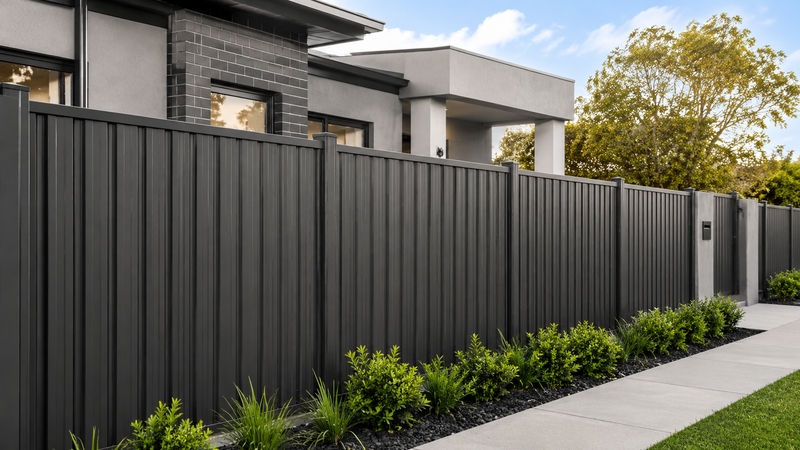
You need to consider colorbond fence cost per meter, material specification, coating quality, anti-corrosion protection, installation method, slope condition, and long-term maintenance risk.
JZH Fence helps contractors, wholesalers, builders, and project buyers source Colorbond-style fencing systems with project-specific support. With HDP coating, G550 steel, AM100 anti-corrosion protection, stepped or raked installation guidance, and fiberglass plinth options, we help buyers build stronger and longer-lasting fence solutions.
If you need a Colorbond-style fence for a housing development, commercial boundary, farm, coastal property, or wholesale supply project, contact JZH Fence today.
Get a project-specific quote, request a product catalog, or ask our team for a custom Colorbond-style fence solution for your market.