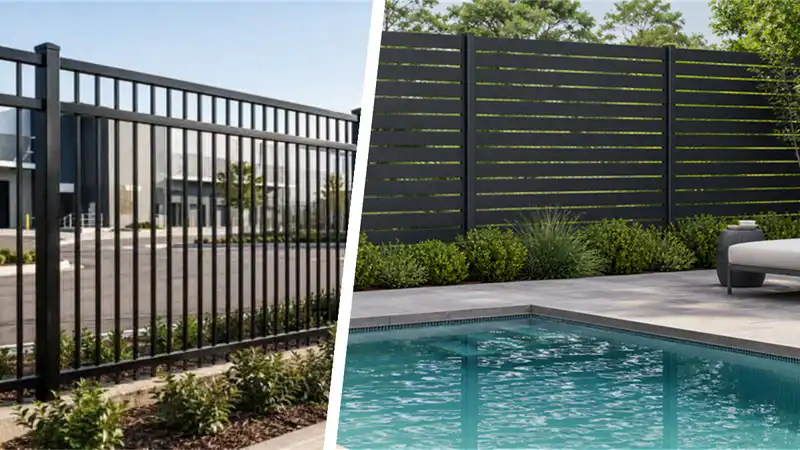
Choosing between wrought iron vs aluminum fence cost is not only about the price per linear foot. For a residential estate, commercial boundary, gated community, or public project, the real cost also includes installation labor, freight, coating quality, maintenance, corrosion risk, and long-term replacement.
In 2026, public aluminum fence cost references show that aluminum fence projects often cost less than wrought iron fence projects when you compare material, labor, and maintenance together. Wrought iron still offers a classic and premium appearance, but aluminum fencing is usually easier to install, lighter to ship, and lower maintenance over time.
If you are buying fencing for a B2B project, the better question is not “Which fence is cheaper today?” The better question is: which fence gives you the best total value over 10–20 years?
JZH Fence manufactures aluminum and steel fencing systems for international wholesalers, contractors, and project buyers. From a manufacturer’s perspective, this guide explains how to compare wrought iron fence cost, aluminum fence cost, installation cost, surface treatment, durability, and long-term project value before you request a quotation.
Quick Answer: Wrought Iron vs Aluminum Fence Cost in 2026
For most projects, aluminum fencing is more cost-effective than wrought iron fencing when you consider material cost, installation speed, shipping weight, and maintenance.
Wrought iron fencing is still valuable when you need a heavy, traditional, high-end appearance or maximum rigidity. It works well for luxury villas, heritage-style buildings, premium entrance gates, and high-visibility front boundaries.
Aluminum fencing is usually the smarter choice when you need a clean ornamental look, lower maintenance, easier installation, and better corrosion resistance. It is especially suitable for large residential communities, commercial properties, pool areas, coastal projects, and long fence lines.
Here is the simple rule:
- Choose wrought iron or heavy ornamental steel when prestige, rigidity, and traditional appearance matter more than cost.
- Choose aluminum fence when you want lower lifetime cost, easier installation, lighter shipping weight, and lower maintenance.
- Choose galvanized and powder-coated steel fence when you need stronger structure than aluminum but better corrosion control than untreated iron.
What Is the Real Difference Between Wrought Iron and Aluminum Fence?
Many buyers use the term “wrought iron fence” to describe any black ornamental metal fence. But in real manufacturing, not every wrought iron style fence is genuine wrought iron.
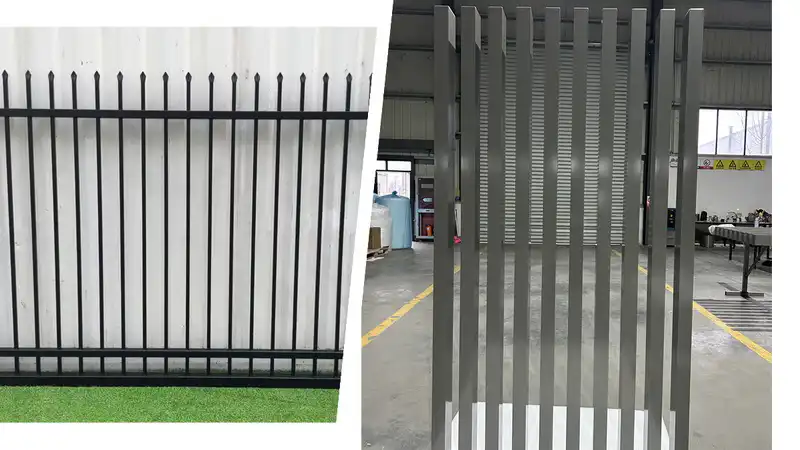
Traditional wrought iron fencing uses heavy iron bars and ornamental components. It creates a classic, high-end appearance. You often see it around luxury estates, historic-style buildings, parks, and premium front boundaries.
The main advantages of wrought iron fence are:
- Strong and rigid structure
- Classic decorative appearance
- High-end visual impression
- Good impact resistance when properly designed
The disadvantages are also clear:
- Higher material weight
- Higher installation labor
- Higher freight cost
- Higher maintenance requirement
- Rust risk if coating is damaged or not maintained
Aluminum fence uses hollow extruded aluminum profiles. These profiles can be designed with internal ribs, different wall thicknesses, and modular connections. Aluminum is much lighter than iron or steel, which makes it easier to handle, pack, ship, and install.
The main advantages of aluminum fence are:
- Lightweight structure
- Easier installation
- Low maintenance
- Good corrosion resistance
- Clean modern appearance
- Lower freight and handling cost
- Suitable for large-scale projects
The main limitation is that aluminum is not as rigid as heavy steel or wrought iron. For high-security or high-impact areas, a stronger steel fence system may be more suitable.
Initial Cost Comparison: Material, Labor, and Installed Price
When comparing wrought iron vs aluminum fence cost, you should separate the quote into three parts:
- Material cost
- Installation labor
- Long-term maintenance cost
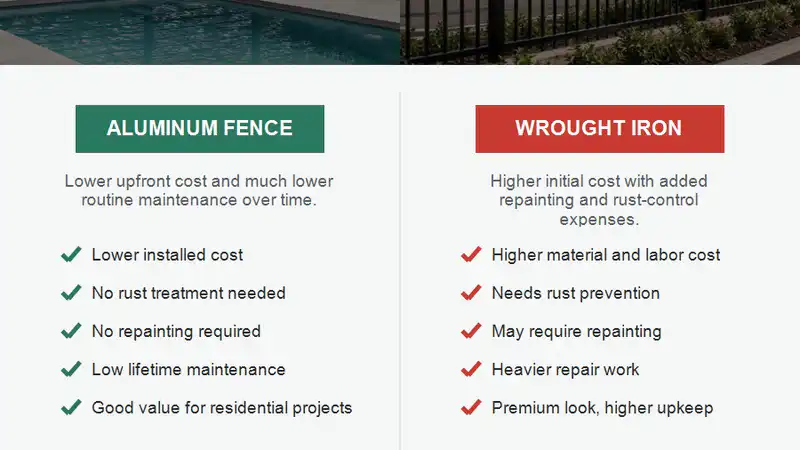
Public retail cost data can give you a rough reference, but B2B factory pricing will depend on order quantity, product design, coating system, packaging, and shipping method.
| Cost Factor | Wrought Iron Fence | Aluminum Fence |
|---|---|---|
| Material cost | Usually higher | Usually lower |
| Installation labor | Higher because panels are heavier | Lower because panels are lighter |
| Shipping cost | Higher due to weight | Lower due to lighter profiles |
| Maintenance cost | Higher over time | Lower over time |
| Corrosion risk | Higher if coating is damaged | Lower under normal conditions |
| Best use | Luxury, heritage, high-rigidity areas | Residential, commercial, coastal, large projects |
For a short decorative frontage, the cost difference may not feel huge. But for hundreds or thousands of linear feet, even a small difference per foot can become a serious budget issue.
That is why B2B buyers should not only ask, “How much per foot?” You should also ask:
- How many linear feet can be loaded per container?
- How many workers are needed for installation?
- Does the system use pre-punched posts or site welding?
- What coating system is used?
- What maintenance will be required after 3–5 years?
- Can the supplier provide test reports or certificates for coating performance?
Installation Cost Factors That Can Change Your Budget
Installation cost can change quickly depending on the fence material and project site.
Wrought iron fencing is heavy. This means installers may need more labor, more lifting effort, stronger posts, and longer alignment time. Some ornamental iron or steel projects may also need welding, grinding, or touch-up coating on site.
Aluminum fencing is lighter. It is easier to carry, position, and install. For modular aluminum fence systems, the panels, posts, brackets, and accessories can be designed for faster assembly.
For large projects, installation efficiency is a major cost factor. If one system saves time on every panel, the total labor savings can be significant.
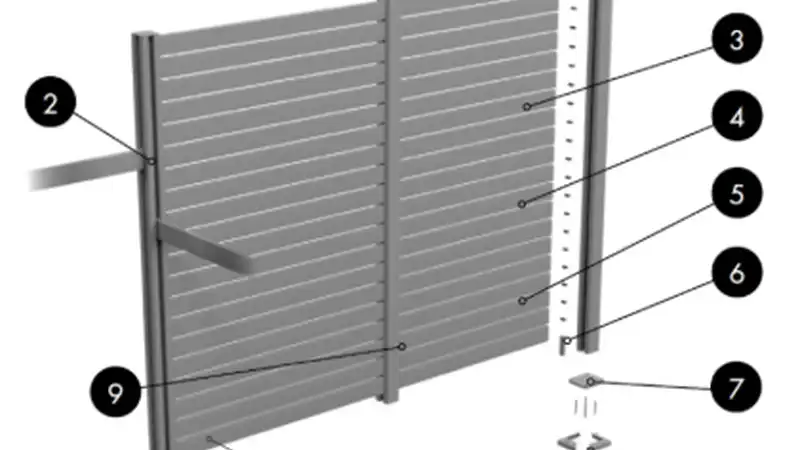
Common installation factors that affect cost include:
- Fence height
- Panel width
- Post spacing
- Ground slope
- Soil condition
- Gate quantity
- Decorative complexity
- Site access
- Local labor cost
- Welding or no-welding installation
- Need for concrete footings or base plates
If you are a contractor or wholesaler, ask the supplier for a complete system quotation, not only panel price. A complete quotation should include panels, posts, gates, hinges, latches, brackets, screws, caps, and packing details.
Maintenance Cost Over Time: Why Aluminum Often Wins
This is where aluminum fence often becomes more attractive.
Wrought iron can look beautiful on day one, but it needs regular attention. If the surface coating is scratched, damaged, or poorly maintained, rust can start from welded joints, cut edges, bottom areas, or places where water collects.
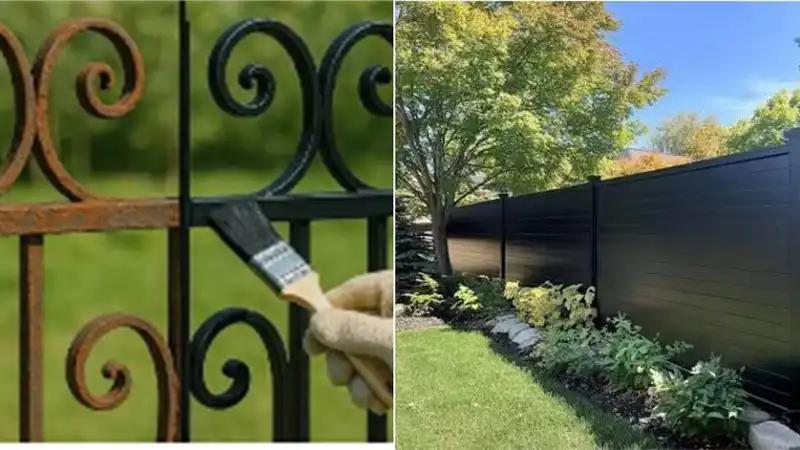
Aluminum fence requires much less maintenance. In normal outdoor environments, most maintenance is simple cleaning and checking hardware. This is why aluminum fencing is often used for residential communities, pool fencing, commercial boundaries, and coastal projects.
For coastal, high-humidity, or industrial environments, the coating system becomes very important. A low price is not valuable if the fence needs repainting, repair, or replacement too early.
Manufacturer Experience: Do Not Judge Coating Only by Appearance
In real projects, some buyers only compare the black finish or powder-coated surface by eye. This is risky.
From our factory experience, two fences can look similar in photos, but their long-term performance can be very different because of:
- Base material
- Galvanizing process
- Powder coating thickness
- Pre-treatment quality
- Welding quality
- Edge protection
- Packaging protection during shipping
For corrosion-sensitive projects, we recommend asking for a salt spray test certificate (like ASTM B117 salt spray test) or coating test report before confirming the order.
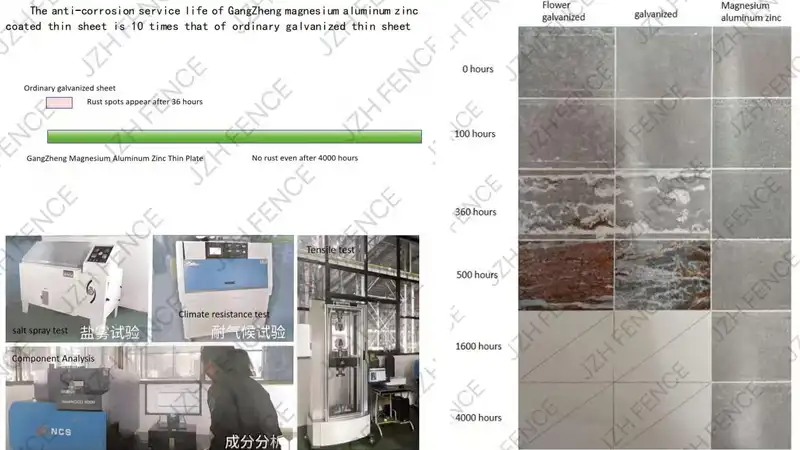
But you should not only ask, “Do you have a salt spray test?” You should also confirm the test standard, test hours, sample material, coating system, certificate number, and testing organization.
This is especially important for:
- Coastal projects
- Humid areas
- Industrial zones
- Poolside fencing
- Public projects
- Long-term commercial developments
For example, if a customer is choosing between aluminum fence and steel fence for a rainy or coastal project, we usually do not only compare the day-one price. We also check whether the coating system has supporting evidence. A salt spray test certificate can help the buyer understand the corrosion resistance of the coating system before mass production.
Durability and Security: When Wrought Iron or Steel Still Makes Sense
Although aluminum fencing has strong cost advantages, wrought iron or steel still has its place.
If the project requires maximum rigidity, heavy impact resistance, or a traditional high-end appearance, wrought iron or heavy ornamental steel may be the better choice. For example, a luxury villa entrance, historic-style property, or high-security front boundary may justify the higher cost.
Aluminum fence is strong enough for many residential, commercial, and light industrial applications when properly specified. But for higher-risk sites, you may need a stronger steel system.
A practical way to decide is to look at the project risk level:
| Project Requirement | Better Option |
|---|---|
| Low maintenance and coastal resistance | Aluminum fence |
| High-end traditional appearance | Wrought iron or ornamental steel |
| Large residential community | Aluminum fence |
| High-impact boundary | Steel or wrought iron style fence |
| Poolside or humid area | Aluminum fence |
| Luxury main gate | Wrought iron or heavy steel |
| Budget-sensitive long fence line | Aluminum fence |
| Stronger security perimeter | Steel fence system |
For many B2B buyers, the best solution is not one material for the whole project. You can use a heavier ornamental steel fence for the main entrance and use aluminum fence panels for side and rear boundaries. This gives you a premium front appearance while keeping the total project cost under control.
Manufacturer Experience: How We Help Buyers Choose the Right Material
In B2B projects, customers often come to us with a target appearance first. They may say they want a “wrought iron style fence” because they like the black ornamental look.
But after we check the project length, installation area, climate, shipping destination, and maintenance expectations, we may recommend aluminum fence or galvanized steel instead.
For example, if a customer is working on a long residential boundary or a coastal commercial project, aluminum often gives better value. It is lighter to ship, easier to install, and requires less long-term maintenance. If the customer still wants the classic metal look, we can adjust the picket shape, spear top, rail design, color, and gate style to create a similar appearance.
For another type of project, such as a high-visibility entrance or a security-focused industrial boundary, we may recommend galvanized and powder-coated steel. This gives stronger rigidity than aluminum while controlling corrosion risk better than untreated iron.
The key point is simple: the right fence material should match the project environment, not only the customer’s first design idea.
Before we recommend a system, we usually check:
- Project location
- Climate and corrosion risk
- Total fence length
- Height requirement
- Security level
- Gate size and quantity
- Installation method
- Target budget
- Maintenance expectations
- Required certificates or test reports
This is why project-based fence quotation is more useful than a simple price-per-foot answer.
Aesthetic Appeal and Customization vs Budget
Wrought iron fencing has a strong decorative advantage. It can include scrolls, rings, finials, spear tops, curved details, and custom ornamental patterns. This makes it popular for luxury homes, estates, and classic architecture.
But these details increase cost. More welding, more components, more finishing work, and more complex packaging all affect the final price.
Aluminum fence can also be customized. You can choose different heights, colors, picket spacing, rail sizes, post sizes, gate styles, and decorative tops. For B2B buyers, aluminum customization is often easier to control at volume because extruded profiles and modular accessories can be standardized.
A smart design strategy is:
- Use decorative design for the main frontage
- Use simpler panels for side and rear boundaries
- Keep standard panel widths where possible
- Avoid too many non-standard sizes
- Use matching gates and posts to keep the system consistent
- Confirm coating requirements before mass production
This helps you balance appearance and budget.
Project Type Examples: Which Fence Gives Better Value?
Different projects need different fencing solutions.
Residential Estates and Villas
For luxury homes, wrought iron or heavy ornamental steel can create a premium entrance. It gives a strong visual impression and matches classic architecture.
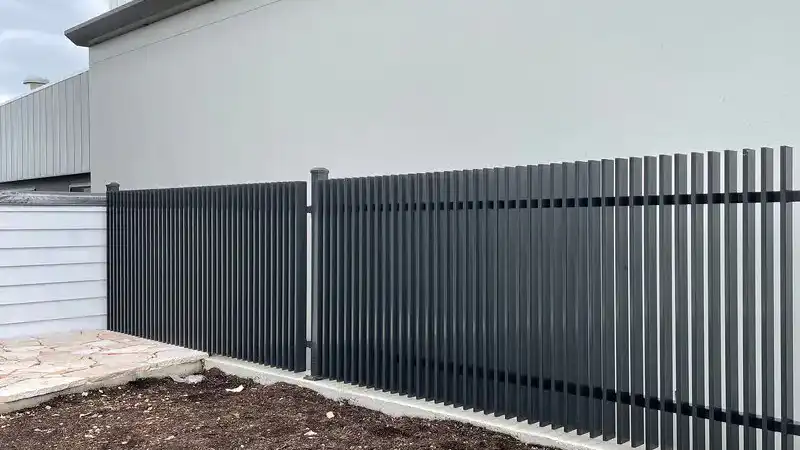
But for side boundaries, garden areas, or long rear fence lines, aluminum fence can reduce cost while still keeping a clean metal appearance.
Gated Communities and Multifamily Housing
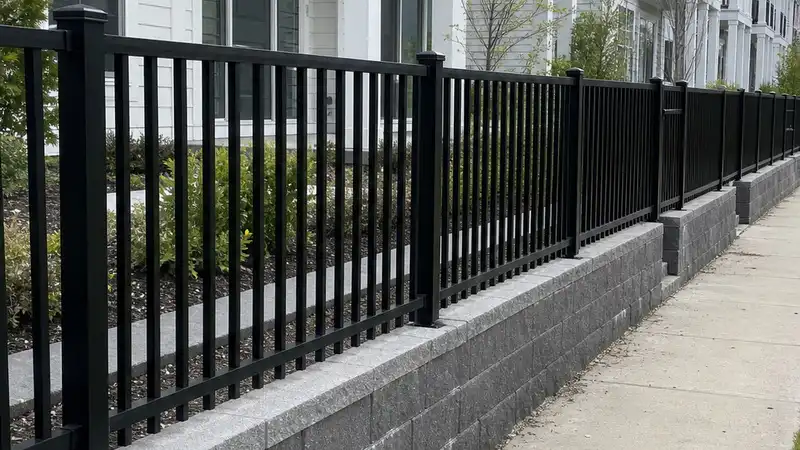
For large residential projects, aluminum fence usually gives better total value. The project may need hundreds or thousands of linear feet, so lower weight, easier installation, and lower maintenance become very important.
Property managers also prefer lower maintenance because repainting and rust repair across a large community can become expensive.
Commercial Properties
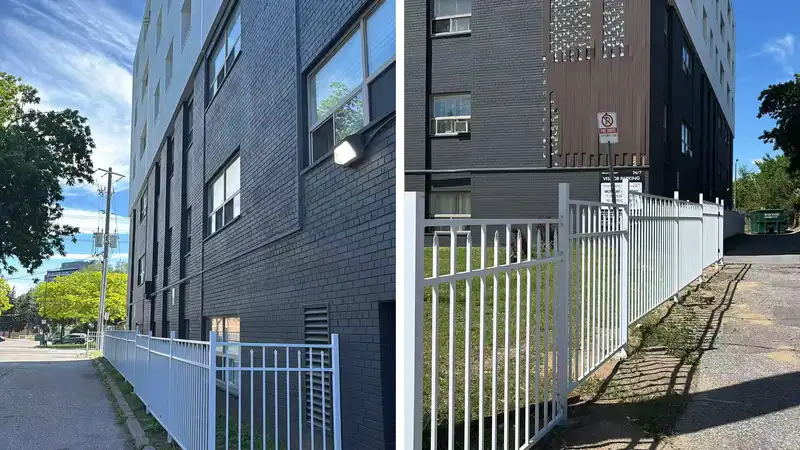
Commercial buyers usually care about appearance, durability, and project budget at the same time. Aluminum fence works well for office parks, retail centers, schools, public areas, and low-to-medium security boundaries.
For stronger security needs, a galvanized steel fence system may be more suitable.
Coastal Projects
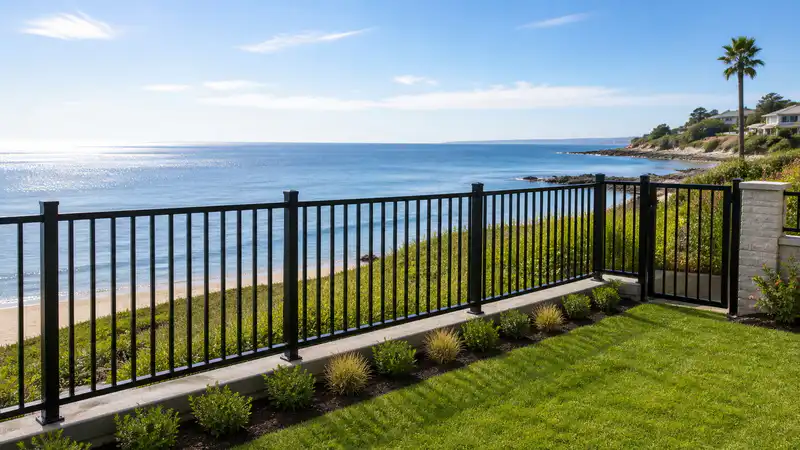
For coastal projects, corrosion resistance is one of the most important factors. Aluminum fence is often a strong choice because it does not rust like iron. However, the coating system, fasteners, and hardware still need to be checked carefully.
For these projects, ask your supplier for coating details and related test reports, including salt spray test information where available.
Industrial and Logistics Parks
For industrial parks, the best choice depends on the security level. If the project mainly needs a clean boundary and controlled access, aluminum may be enough. If the site needs stronger anti-impact performance, steel fencing is usually better.
How to Reduce Fence Cost Without Sacrificing Quality
A cheaper fence is not always a better fence. But you can reduce project cost by optimizing the system correctly.
1. Use Standard Panel Sizes Where Possible
Non-standard sizes increase cutting, welding, packing, and installation complexity. If your project can use standard panel widths, the supplier can usually control production and packing cost more effectively.
2. Choose the Right Material for Each Area
You do not need heavy ornamental steel everywhere. Use it only where strength or visual impact matters most. For long side boundaries or rear areas, aluminum fence may be enough.
3. Confirm Coating Requirements Early
Coastal and humid areas need better corrosion protection. Do not wait until after production to discuss coating. Confirm the base material, galvanizing, powder coating, and test certificate before production starts.
4. Reduce Unnecessary Decorative Parts
Scrolls, rings, and special finials look beautiful, but they increase cost. If the project is budget-sensitive, use decorative components only on gates and visible front areas.
5. Ask for Complete System Pricing
A low panel price may not include posts, gates, hardware, or accessories. Always compare the complete fence system, not only the panel.
6. Check Packing and Loading Efficiency
For international orders, freight can affect the final landed cost. Lighter aluminum panels may help reduce shipping cost per linear foot.
7. Use Test Reports as Decision Support
If corrosion resistance matters, ask for relevant coating or salt spray test documents instead of relying only on verbal claims. This helps you make a better decision before mass production.
Final Comparison: Wrought Iron vs Aluminum Fence Cost
| Factor | Wrought Iron Fence | Aluminum Fence |
|---|---|---|
| Upfront cost | Higher | Lower |
| Installation cost | Higher due to weight | Lower due to easier handling |
| Shipping cost | Higher | Lower |
| Maintenance | Needs repainting and rust control | Low maintenance |
| Corrosion resistance | Depends heavily on coating | Better under normal conditions |
| Strength | Very strong and rigid | Strong enough for many projects |
| Appearance | Classic and premium | Clean, modern, flexible |
| Customization | Beautiful but expensive | Easier to control at volume |
| Best for | Luxury, heritage, heavy-duty areas | Residential, commercial, coastal, large projects |
| B2B value | Best for selected premium areas | Best for long-term cost control |
Conclusion: Which Fence Gives Better Value?
When comparing wrought iron vs aluminum fence cost, aluminum fencing usually gives better long-term value for most residential, commercial, and large-scale projects. It is lighter, easier to install, lower maintenance, and more suitable for corrosion-sensitive environments.
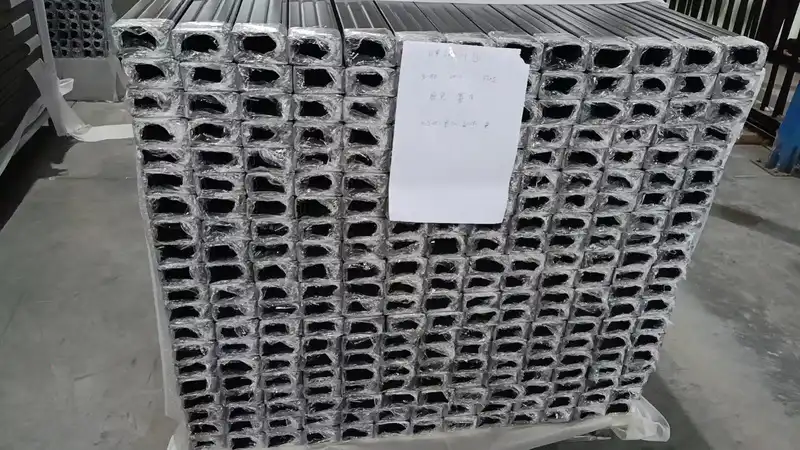
Wrought iron or heavy ornamental steel is still valuable when the project needs prestige, traditional design, or maximum rigidity. But for many B2B buyers, the most cost-effective solution is a mixed strategy: use heavier ornamental steel for key visual areas and aluminum fence for longer boundaries.
JZH Fence supplies aluminum fence, steel fence, garrison fence, WPC fence, Colorbond-style fence, and related gate systems for international wholesalers, contractors, and project buyers. We can help you compare materials, optimize panel size, select coating systems, and prepare a project-based quotation.
Send us your drawing, BOQ, or target fence specification to get a customized quote for your project.