
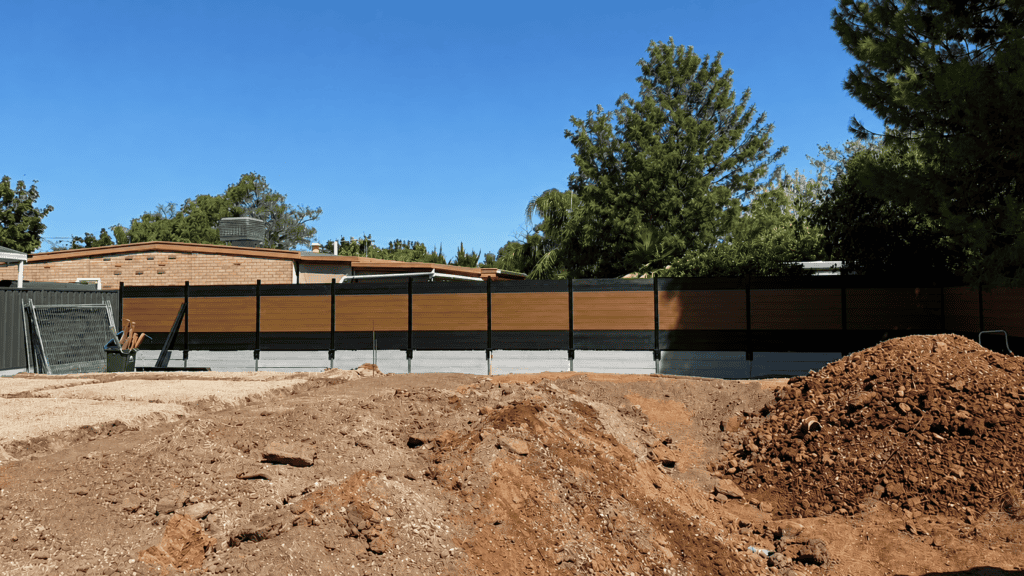
Looking for a reliable fence composite material solution for your B2B projects? In this article, we explore how a composite wood fence can provide a durable, low-maintenance alternative to traditional wood fencing, addressing common questions such as “is composite fencing any good” and potential challenges. Proven in real projects, including hillside retaining walls in South Australia, these fences with modular, adjustable bases overcame installation hurdles and extreme weather. By reading this guide, you will learn how to select and implement composite fencing efficiently, reduce long-term maintenance costs, and achieve superior project results.
What is Composite/WPC Fence?
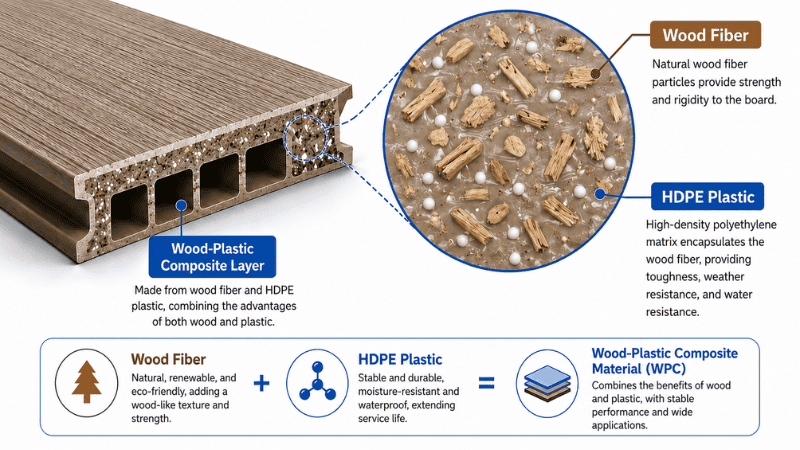
A composite wood fence is a modern fence composite material produced by combining recycled wood fibers with high-density polyethylene (HDPE) or other durable plastics. This innovative material offers the natural look of timber without the drawbacks of conventional wood fencing. Unlike wood, composite fencing resists rotting, insect damage, and warping, requiring minimal maintenance over decades of use.
Many B2B clients often ask, “is composite fencing any good?” The answer is evident in multiple successful installations. For example, in the South Australia hillside retaining wall project, traditional installation methods were impractical due to uneven terrain and varying H-beam sizes. Using modular, adjustable bases allowed the composite fence to be adapted on-site, ensuring stability and aesthetic consistency. While there are problems with composite fencing, such as thermal expansion and surface scratches, careful material selection and professional installation can effectively mitigate these challenges.
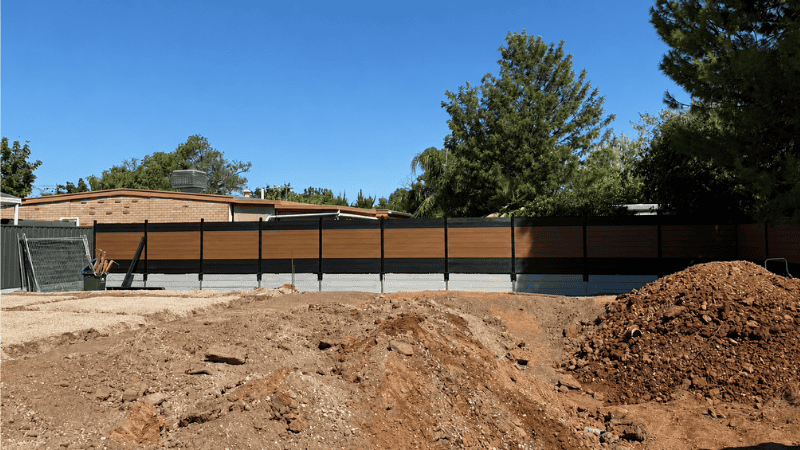
The versatility of composite fencing makes it ideal for commercial developments, residential boundaries, and infrastructure projects. By selecting high-quality fence composite material, developers and contractors can combine durability, low maintenance, and a visually appealing finish in one scalable solution.
Composite Fence vs Wood and Metal Fencing
When comparing composite wood fence systems with traditional wood fencing or metal fences, the advantages for B2B projects are significant:
| Feature | Wood Fencing | Steel Fence/ Aluminum Fence | Composite/WPC Fence |
|---|---|---|---|
| Lifespan | 10–15 years | 20–40 years | 25–30 years |
| Maintenance | Painting, staining, sealing | Occasional coating check | Minimal maintenance, occasional cleaning |
| Durability | Susceptible to rot & insects | Strong but less private | Rot, insect, and UV resistant |
| Appearance | Natural but variable | Industrial | Uniform, wood-like finish |
| Installation | Moderate | Heavy & complex | Modular & adaptable |
In challenging projects, such as the South Australia hillside retaining wall, composite fencing proved more suitable than both timber and metal. The modular, adjustable bases allowed rapid installation on irregular terrain, reduced labor costs, and provided a consistent, high-quality finish. While metal fencing may offer strength, it lacks the warmth and privacy that composite fencing delivers. Meanwhile, wood fencing would have required extensive maintenance and replacement, increasing long-term costs and disrupting operations.
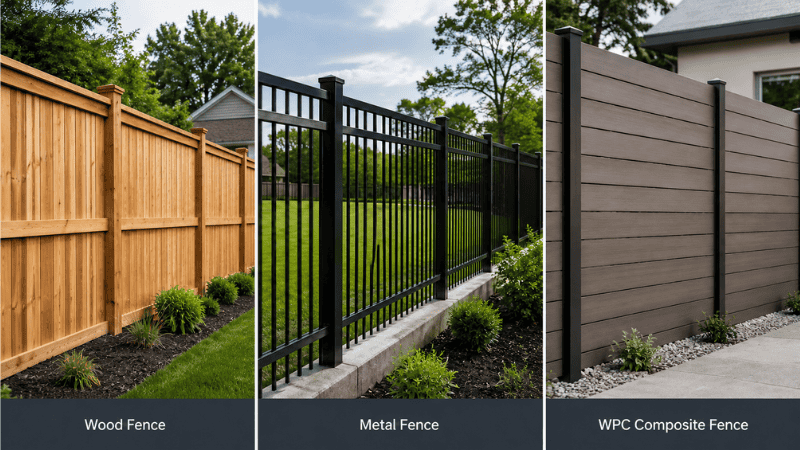
Even with high-quality materials, some problems with composite fencing can occur. Thermal expansion or minor surface damage may appear over time, but these issues are generally easier to manage than the ongoing maintenance challenges of traditional wood or metal fencing.
Key Benefits of Composite Fence Materials
Composite wood fences offer multiple advantages for B2B applications:
- Low Maintenance: Unlike conventional wood fencing, composite fences do not require painting, staining, or sealing, which reduces labor and maintenance costs. Cleaning with soap and water is typically sufficient to maintain a fresh appearance.
- Durability and Longevity: Made from premium fence composite material, these fences resist rot, insect infestation, and extreme weather conditions. In the South Australia hillside project, modular, adjustable bases withstood severe weather, including tropical cyclones, confirming their reliability.
- Aesthetic Appeal: Composite fences provide a consistent, wood-like appearance without the variability of timber. Developers can match fences to landscaping or architectural elements, enhancing the overall property value.
- Modular and Customizable: Adjustable components allow fences to adapt to irregular terrain, retaining walls, or non-standard installations. This flexibility reduces material waste and streamlines project delivery.
- Sustainability: Using recycled wood fibers and plastics makes composite fencing environmentally friendly. For B2B clients aiming for green building certifications, this contributes to compliance and sustainability goals.
Addressing common concerns such as “is composite fencing any good?” or problems with composite fencing, careful planning, professional installation, and quality materials ensure long-term reliability and performance.
Installation Best Practices
Proper installation maximizes the benefits of a composite wood fence. Key steps include:
- Ensuring posts are level and correctly spaced
- Maintaining the recommended expansion gaps to prevent warping
- Using modular components for uneven terrain or non-standard projects
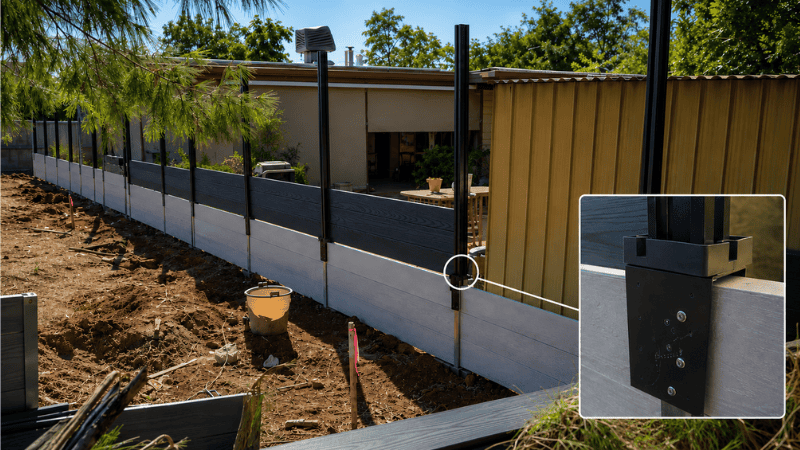
In the South Australia hillside retaining wall project, standard installation methods were insufficient. Our team designed a three-piece adjustable base, combining aluminum and steel with a slot-and-screw system. This allowed on-site adaptation to varying H-beam widths and irregular terrain. The heat-galvanized finish protected against corrosion, making it suitable for coastal environments.
The result was a stable, aesthetically pleasing fence that reduced installation time and labor costs. By following these best practices and using high-quality fence composite material, developers can mitigate common problems with composite fencing, such as instability or minor surface damage.
Cost, Value, and Long-Term Performance
Although the upfront cost of a composite wood fence is higher than traditional wood fencing, the long-term return on investment is compelling:
- Extended Lifespan: Typically 25–30 years with minimal maintenance
- Reduced Labor Costs: No regular painting or sealing
- Lower Replacement Frequency: Durable material reduces future procurement and installation
In the South Australia project, modular, adjustable bases allowed efficient installation on irregular terrain, reducing labor and installation costs to meet Australian Building Codes. By mitigating problems with composite fencing, such as thermal expansion or instability, developers can plan predictable budgets and ensure reliable project delivery. Over time, the combination of reduced maintenance, extended lifespan, and stable performance makes composite fencing a cost-effective solution for B2B clients.
Customization and Modular Solutions
One of the most important advantages of composite fencing for B2B projects is modular customization. Developers often face complex site requirements, such as:
- Irregular terrain
- Regulatory restrictions on fence height or material
- Coastal or high-wind environments
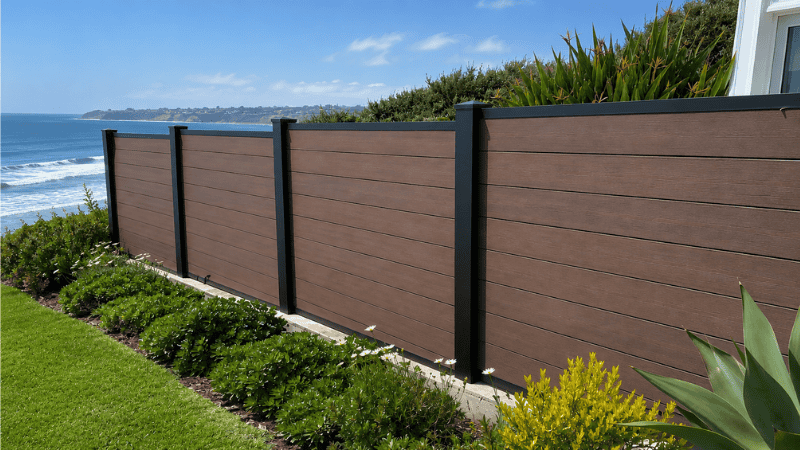
JZH Fence addresses these challenges with adjustable bases, modular panels, and flexible mounting options. In the South Australia hillside retaining wall project, the custom base design enabled precise on-site adjustments, eliminated overstock costs, and ensured high-quality installation. Modular solutions allow contractors to scale installation efficiently for large commercial or residential developments.
Environmental and Sustainability Considerations
Sustainability is a growing concern in B2B construction projects. Composite wood fences made from fence composite material offer:
- Reduced reliance on virgin timber
- Use of recycled plastic and reclaimed wood fibers
- Lower chemical treatment requirements compared to wood
These features support compliance with green building standards, enhance corporate sustainability profiles, and provide B2B clients with eco-friendly options without sacrificing durability or performance.
Why Choose JZH Fence for Your B2B Projects
Choosing the right partner is crucial. JZH Fence provides a one-stop solution for composite wood fence systems, combining high-quality fence composite material, modular designs, and technical support. Our factory-direct model ensures stable supply, consistent quality, and rapid response to installation challenges.
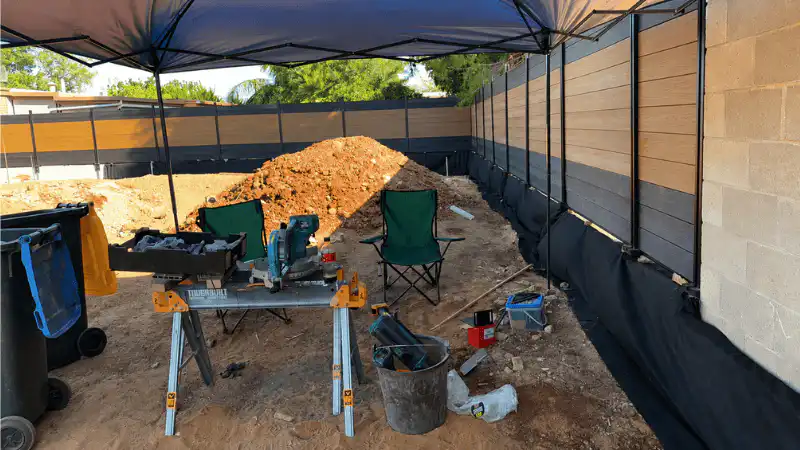
With international experience, including the South Australia hillside retaining wall project, JZH Fence has proven its ability to handle complex installations and regulatory compliance. Modular, adjustable bases and professional guidance enable developers to complete projects efficiently, reduce labor costs, and achieve superior long-term results.
Whether you need standard wood fencing alternatives or fully customized solutions, JZH Fence delivers reliable B2B fencing systems that meet both aesthetic and functional requirements.
Conclusion
Composite and WPC fencing offers a long-term, low-maintenance solution for B2B projects, combining durability, aesthetic appeal, and cost efficiency. By choosing JZH Fence, developers and contractors gain access to high-quality fence composite material, modular designs, and customizable solutions backed by proven international project experience.
Take the next step in enhancing your fencing projects: contact us now for a free sample, request a customized quote, or download our product catalog to explore our full range of B2B fencing solutions.