Keep a Clean Lower Edge with 3 Rail Flush Bottom Fence Panels
Define property lines and keep sightlines open with a flat top and vertical pickets that end at the bottom rail. Specify panels, gates, and posts together so you can check rail alignment and ground clearance across the entire fence run before ordering.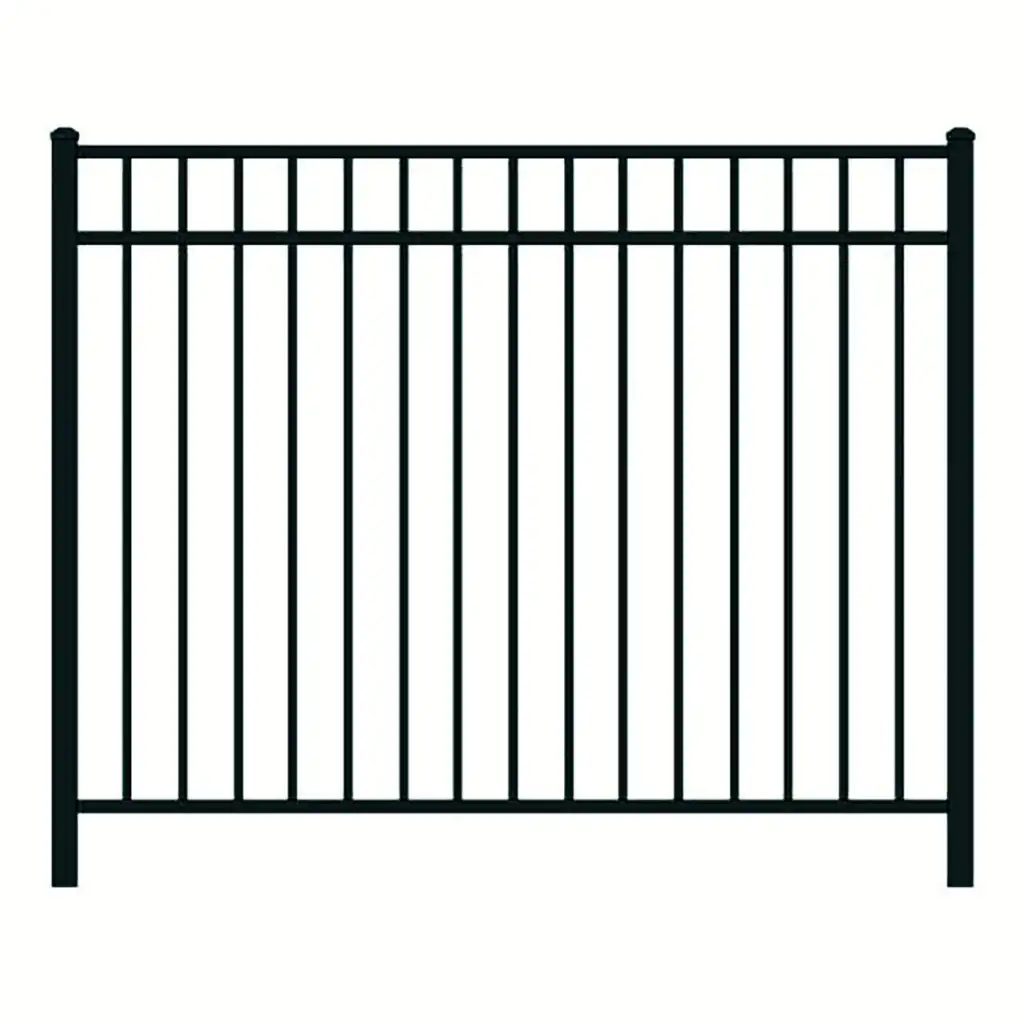
3 Rail Flush Bottom Fence Specifications
Specifications
• Aluminum panel: 54 in. H × 72 in. W, residential grade
• Panel profile: flat top with three horizontal rails. Pickets terminate at the lowest rail.
• Routed line, end, and corner posts: 2 in. × 2 in. × 84 in. with 0.060 in. walls
• Routed gate end post: 2 in. × 2 in. × 84 in. with 0.125 in. walls
• Matching gates: 54 in. H. A 48 in. nominal gate measures 46.75 in. wide. A 60 in. nominal gate measures 58.75 in. wide.
Powdercoating
• Aluminum finish: exterior powder coat. Specify the color, gloss, and required coating thickness for the panels, posts, and gates.
• Galvanized steel option: confirm the zinc coating and powder-coat topcoat for the quoted steel configuration.
Testing & Standards
• Project specification references: ASTM F2957 for ornamental aluminum fence systems and ASTM F2408 for ornamental fence systems with galvanized steel tubular pickets.
• Confirm which structural and coating test reports are available for the quoted configuration. If your specification calls for coating adhesion or corrosion resistance testing, include the test method and acceptance criteria.
Check the Details That Affect Fit, Finish, and Delivery
Review the drawings, coating specification, and packing details before you release a purchase order or schedule installation.
Set the Bottom Rail Height from Finished Grade
The pickets finish at the bottom rail, and the installed gap is measured from that rail to finished grade. Mark grade changes and driveway transitions on your layout. Check the clearance at both ends of each panel on a stepped run, and verify the clearance across the full gate opening.
Confirm the Metal and Finish for the Site
For aluminum, review the profile dimensions, coating, and materials used for the exposed fittings. For galvanized steel, confirm the galvanizing method and any topcoat in the quote. Note road salt, coastal exposure, or regular irrigation at the inquiry stage, and list any finish samples or documentation required for approval.
Check Quantities, Packing, and Lead Time Together
Review the parts list by panel size, post type, gate opening, and hardware set. For distribution orders, specify carton or pallet labels by SKU. For project orders, flag installation phases and the date you need the first release. Ask for estimated production and dispatch dates against the quantities in your quote.
Where to Use 3 Rail Flush Bottom Fencing
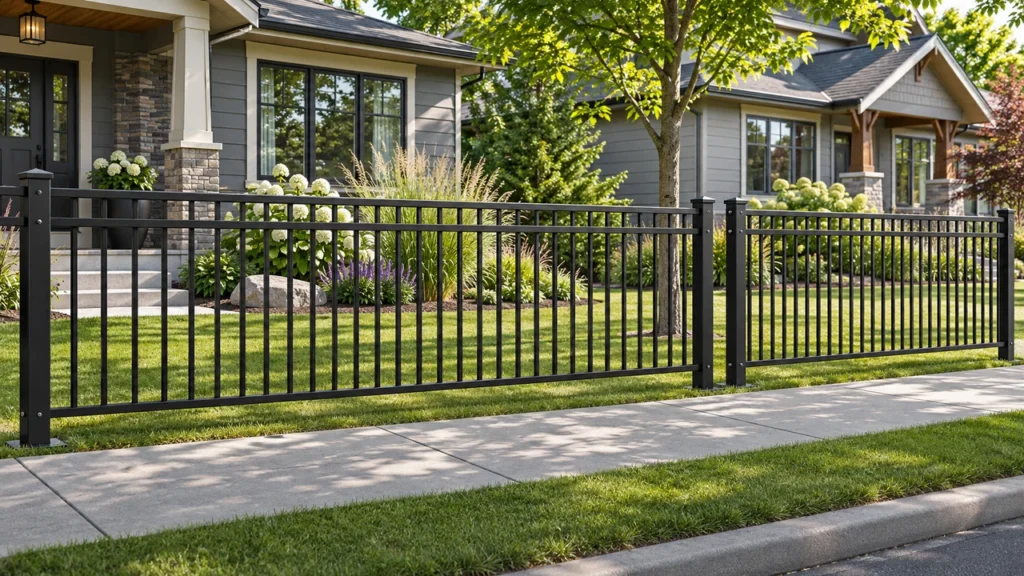
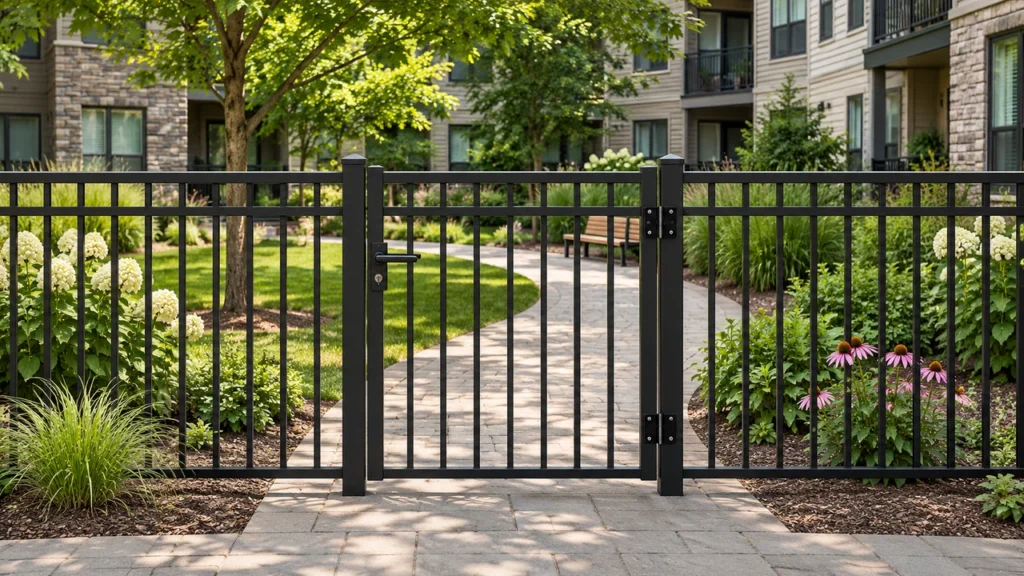
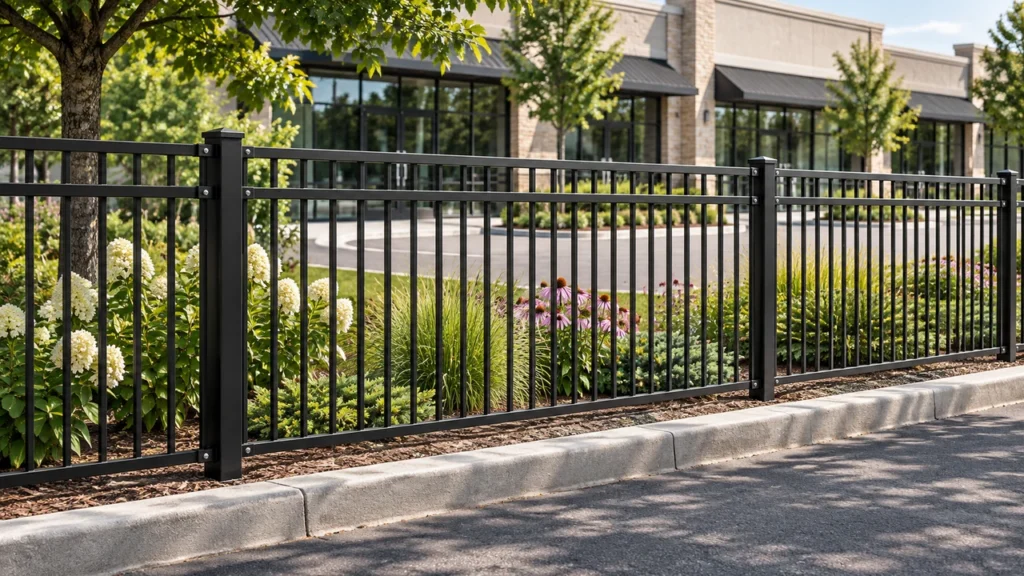
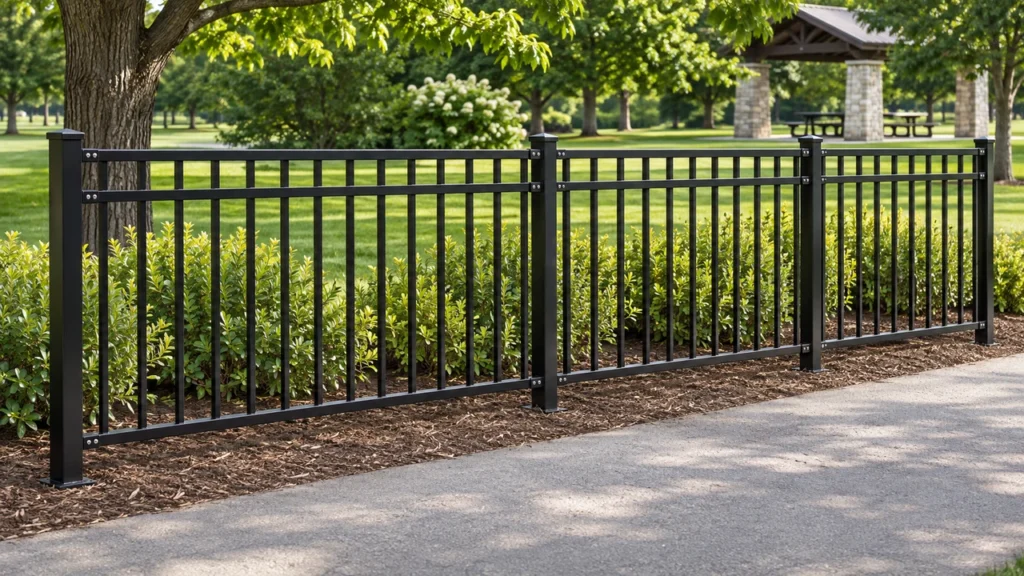
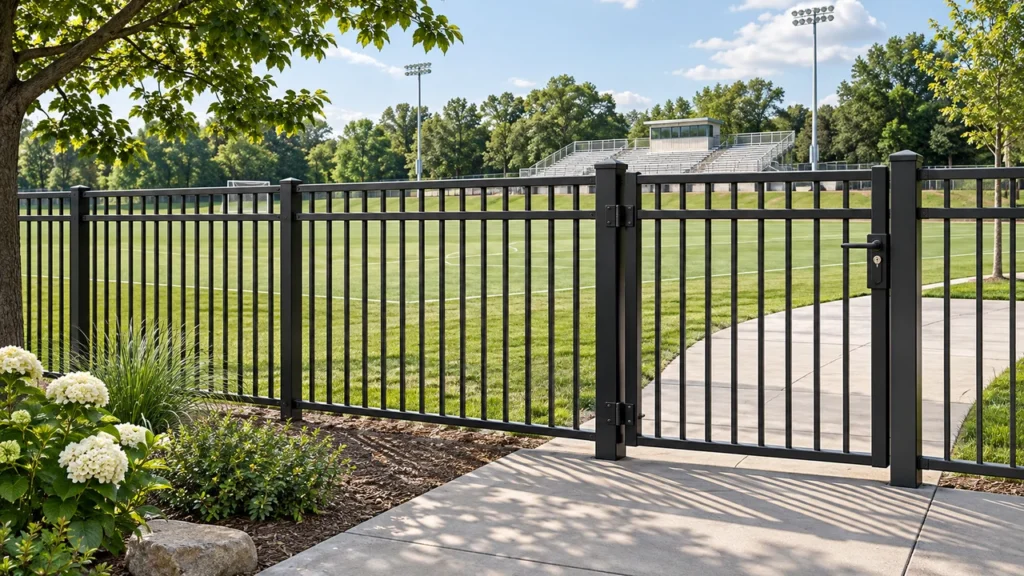
Use the flat-top, flush-bottom profile where you need a defined boundary with clear views through the fence. Plan the lower edge, post positions, and gate openings around the paths, curbs, and planting beds on each site.
Factory-Direct Fencing from JZH Fence
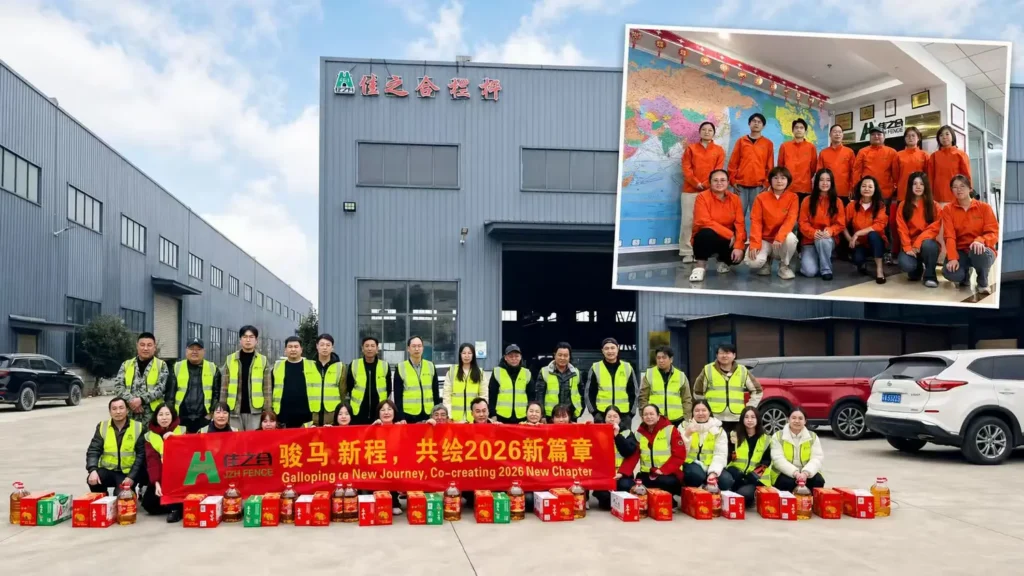
JZH Fence manufactures fencing and gate systems in Nanjing, China, for wholesalers, distributors, and project buyers. Send your stock list or project drawings so we can review the panels, posts, gates, and fittings as one supply package.
How Trade Buyers Work with JZH Fence
Trade buyers share their experiences planning reorders, revising custom designs, and coordinating project deliveries with JZH Fence.
Variable quality and shifting delivery dates made it difficult for the purchasing team to decide when to reorder. With clearer production updates and more consistent quality control from JZH Fence, the team gained a better view of incoming stock and could plan its next purchases with more confidence.

Changes to custom fence designs used to add cost and push back launch dates. JZH Fence supplied clear technical drawings and responded promptly as revisions came up during production. The brand reported that it could bring custom products to market sooner.

The construction team needed fencing that met its project specifications and fit the site schedule. JZH Fence provided technical support and coordinated production around the project requirements. The buyer reported fewer delivery concerns and smoother project execution.

How to Order 3 Rail Flush Bottom Fencing
Start with a layout, stock list, or reference panel. Use the drawing and quote to verify the fence profile and the parts included before you approve production.
01
02
03
Frequently asked questions
The vertical pickets end at the lowest horizontal rail, forming a straight lower edge. A flat top fence has a straight upper edge, and the flush bottom gives this panel a straight lower edge as well. Measure ground clearance from the underside of the bottom rail to finished grade.
Send the required installed height, panel width or post spacing, clear gap between pickets, and target ground clearance. You can use feet and inches or millimeters. If you’re matching an existing fence, include the rail locations and a close-up of the post connection.
Request either material in your inquiry. Aluminum is a practical choice when handling weight matters. Galvanized steel suits jobs that specify steel construction and a zinc coating. The drawing and quote confirm the profile dimensions, finish, and hardware for the configuration you select.
A stepped layout keeps each panel level and changes height at the posts. A raked panel follows the grade where the panel construction allows it. Send the slope or elevation changes along the run so we can review the layout and check clearance under the panels and gates.
Ask your local authority which pool-barrier requirements apply to your project. Share the required fence height, rail spacing, clear picket openings, ground clearance, and gate hardware so we can review the proposed panels and gates against your specification.