
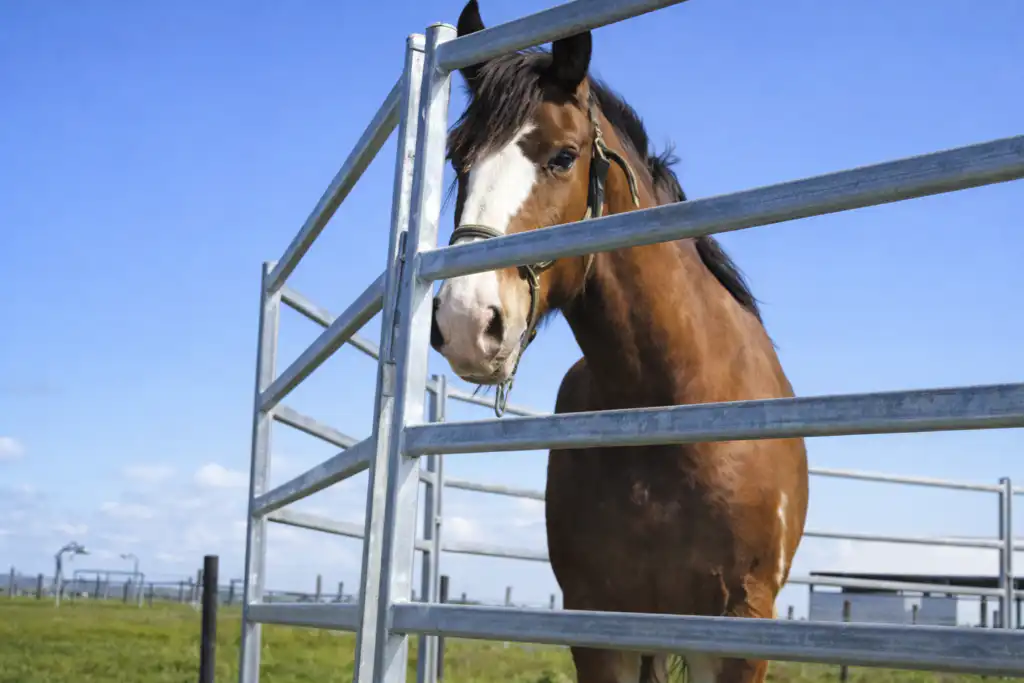
When it comes to creating a safe and secure environment for horses, choosing the right fencing material is paramount. Among the various options available, vinyl horse fencing stands out as a durable, low-maintenance, and safe choice. This article explores the advantages of vinyl fencing, its longevity, durability compared to other materials, and its overall cost-effectiveness.
Is Vinyl Fencing Good for Horses?
One of the first and foremost advantages of using vinyl for a horse fence is the material’s strength and flexibility. Vinyl fences are designed to be robust, able to withstand the impacts from horses, farm animals, and equipment better than many traditional materials. Unlike wood, which can splinter and warp, or metal, which can bend and rust, vinyl maintains its integrity over time.
Safety Features
Safety is a critical concern for horse owners, and vinyl fencing offers several features that enhance the well-being of horses. The smooth surfaces of vinyl prevent injuries that can occur from splintering or sharp edges commonly found in wooden and metal fences. Additionally, vinyl fences are highly visible, allowing horses to see the boundaries clearly, which can help prevent accidents and reduce the likelihood of them attempting to escape.
Moreover, vinyl fencing does not have nails or sharp points, which minimizes the risk of injury to both horses and handlers. This safety aspect is particularly important for active and inquisitive horses, who may challenge their boundaries.
How Long Does a Vinyl Horse Fence Last?
The lifespan of a vinyl horse fence is one of its most appealing features. Generally, vinyl fencing can last 20 years or more with minimal maintenance, making it a long-term investment for horse owners. The longevity of vinyl fencing can be attributed to its resistance to the elements. Unlike wood, which can rot or be damaged by insects and moisture, vinyl is impervious to these issues.
Maintenance Requirements
While treated wooden fences can last for a significant period, they require diligent maintenance to protect against moisture, pests, and weathering. Regular sealing, painting, and inspection for damage are necessary to ensure their longevity. In contrast, vinyl fencing requires minimal upkeep. A simple wash with soap and water is usually sufficient to keep it looking new. This ease of maintenance not only saves time but also reduces overall costs associated with repairs and replacements.
Factors that can influence the lifespan of vinyl fencing include the quality of the material and the installation process. High-quality vinyl, installed correctly, will outperform lower-quality options and can withstand environmental stresses, ensuring it remains intact for decades.
What is the Most Durable Fence for Horses?
When considering the most durable fencing options for horses, various materials come into play, including vinyl, mesh wire, wooden, and electric fencing. Each has its merits, but vinyl has emerged as a strong contender for durability and safety.
Overview of Fencing Options
- Vinyl Fencing: Known for its strength, flexibility, and low maintenance, vinyl fencing is an excellent choice for horse owners. Its smooth surface and visibility enhance safety, making it a popular option.
- Mesh Wire Fencing: This type of fencing is strong and durable, often considered one of the safest options for containing horses. While it is typically less expensive than vinyl, it may lack the aesthetic appeal and safety features of solid vinyl.
- Wooden Fencing: Although traditional and visually appealing, wooden fences can suffer from rot, splintering, and insect damage. They require more maintenance than vinyl and may not last as long without regular care.
- Electric Fencing: Often used in combination with other types of fencing, electric fencing can be effective for keeping horses contained. However, it may not provide the same level of physical barrier as solid fencing materials.
Durability Factors
When comparing durability, vinyl fencing holds its own against other materials. While mesh wire fencing is robust and safe, it may not offer the same visual appeal or level of impact resistance as vinyl. Vinyl’s ability to resist fading, cracking, and warping makes it a practical choice for those looking for long-term solutions.
In terms of cost, mesh wire fencing is generally less expensive upfront, but its longevity and maintenance needs should be factored into the overall cost. Vinyl fencing may have a higher initial investment, but its durability and low maintenance can lead to cost savings over time.
Safety Considerations
Safety is paramount when choosing fencing for horses. Vinyl fences provide a solid barrier that is easy for horses to see and interact with, reducing the likelihood of panic and injury. While mesh wire can be safe, it may not prevent injuries as effectively as vinyl, particularly in cases where horses may push against the fence. The lack of sharp edges and potential for splintering in vinyl makes it a top choice for horse safety.